
Read the event
Identify auction type, lot structure, round rules, increments and decision criteria.
AI Bid Analysis
Bidvantic helps teams inspect bid behavior across rounds, lots, suppliers and buyers so they can understand competitive pressure, commercial risk and decision readiness before final action.

Analysis connects price, timing, participant identity, format rules and document conditions.
Repeated moves, late surges, stalled bidding and outlier changes become easier to inspect.
Commercial recommendations can be reviewed beside the bid history that shaped them.
Reverse auction and supplier scenarios can surface risk without exposing confidential thresholds.
AI auction context
A bid is not only a number. It arrives at a time, under a format, from a participant, against a rule set and often beside documents or evaluation criteria. AI bid analysis helps teams read that full context.
Best fit: high-value auctions, supplier negotiations, multi-round events and award governance.Intelligence blueprint
Bidvantic organizes bid analysis around movement, confidence, risk, eligibility, documents, evaluation and final decision evidence.
Map your operating modelWorkflow
Each stage keeps AI assistance connected to auction data, user responsibility and reviewable action.
Identify auction type, lot structure, round rules, increments and decision criteria.
Analyze price movement, gap changes, bid frequency and timing pressure.
Review bidder or supplier behavior within the visibility rules of the event.
Surface unusual patterns, missing submissions, thin competition or commercial inconsistency.
Summarize bid history and decision context for award, negotiation or closeout.
Capabilities
The content is built around practical AI support for live events, operating teams and commercial review.
Show how far a participant is from the current lead, target or next valid bid action.
Compare price movement and participant behavior across clarification, revision and final rounds.
Highlight unusually large jumps, sudden withdrawals, late spikes or patterns that deserve review.
Help sourcing teams interpret supplier competition while protecting margin-sensitive or confidential thresholds.
Connect bid readiness to required submissions, acknowledgements, terms and evaluation documents.
Create a concise evidence trail for why a bid was accepted, rejected, negotiated or escalated.
Analyze movement across related lots, bundles or packages without flattening commercial nuance.
Keep AI guidance explainable and subject to user confirmation before consequential decisions.
Experience
AI should reduce uncertainty, focus attention and preserve the user's command of the auction process.
Teams can quickly inspect how bids changed, where pressure appeared and which moves need review.

Approvers receive a sharper narrative around bid history, documents and commercial fit.
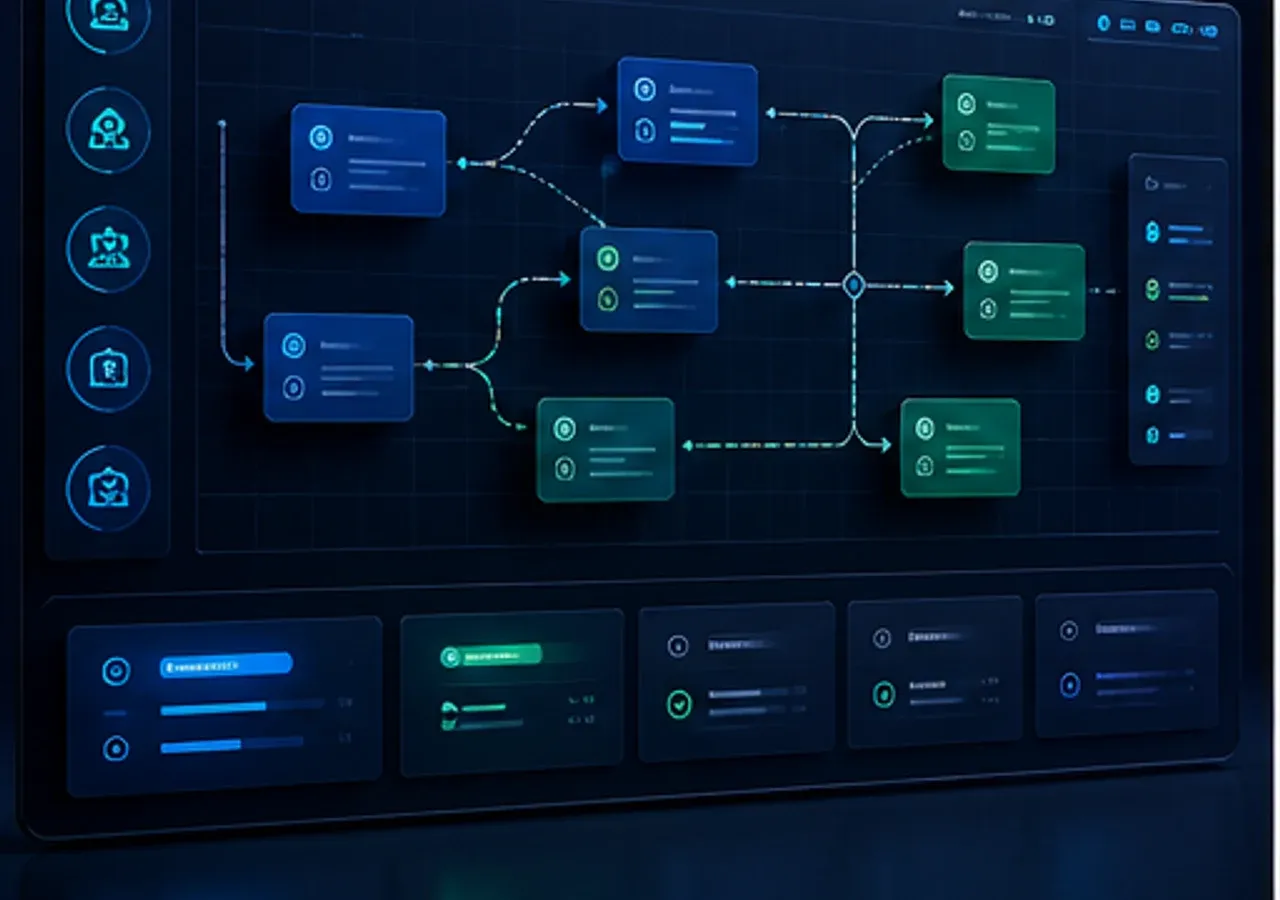
Procurement teams can read reverse auction movement without exposing internal strategy.
Controls
Bidvantic keeps AI assistance connected to permissions, source data, confidence and human decision ownership.
Only authorized users can see sensitive bid amounts, rankings, bidder names or supplier details.
Distinguish strong bid patterns from early signals or low-participation assumptions.
Require human review before a recommendation becomes an award or negotiation instruction.
Keep generated observations tied to bid records, timestamps and event rules.
Capture why an outlier was accepted, ignored, escalated or investigated.
Preserve the bid analysis context that supported final decisions.
Role impact
Each user group gets AI support aligned to what it is responsible for inside the auction lifecycle.
Understand where bidding is healthy, thin, stalled or unusually active.
Sharper supervisionSee the commercial history behind recommended decisions before signing off.
Stronger governanceCompare supplier movement while maintaining confidentiality and evaluation discipline.
Better negotiationsReview pricing movement, exceptions and final award context beside the record.
Cleaner assuranceConnected data
These connections help Bidvantic ground recommendations in live records, controlled documents and business handoffs.
Decision room
Use these answers to pressure-test the ai bid analysis operating model before configuration begins.
Ask a specific questionIt can review bid timing, price movement, gap-to-lead, round changes, participant behavior, document readiness and award context within the configured auction rules.
Yes. Reverse auctions can use bid analysis to understand supplier movement, savings signals, offer discipline and award-readiness evidence.
No. The analysis supports review and decision quality, but approval, award and negotiation authority remains with the responsible users.
It can surface unusual or review-worthy patterns. Any investigation or action should follow your governance process.
The page model supports decision-ready summaries and evidence outputs that can feed reviews, reports or connected systems.
AI auction roadmap
Bring your auction data, workflows, user roles and risk boundaries. We will map where AI can help without weakening control.