Enterprise scale
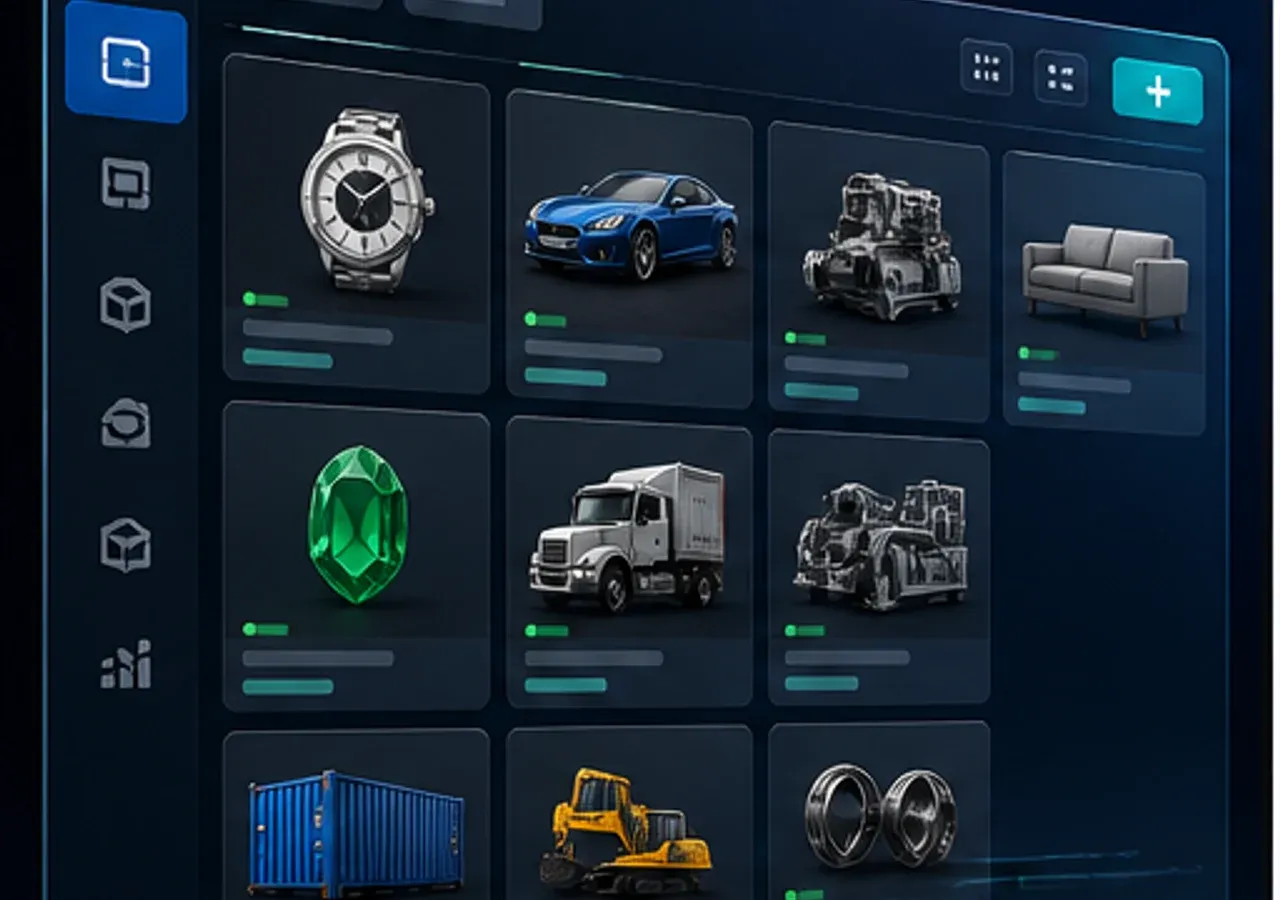
Expand with a common foundationCoordinate selling, sourcing and private auction programs across teams and business units.
Enterprise Auction Software
Unite selling, sourcing and private auctions on one governed platform. Connect teams and systems, control access and scale with clear commercial insight.

Enterprise foundation
Enterprise auction software has to work across stakeholders, business units, compliance expectations, categories and technology systems. Bidvantic gives organizations a governed foundation that can support selling, sourcing and marketplace models while preserving control.
Coordinate selling, sourcing and private auction programs across teams and business units.
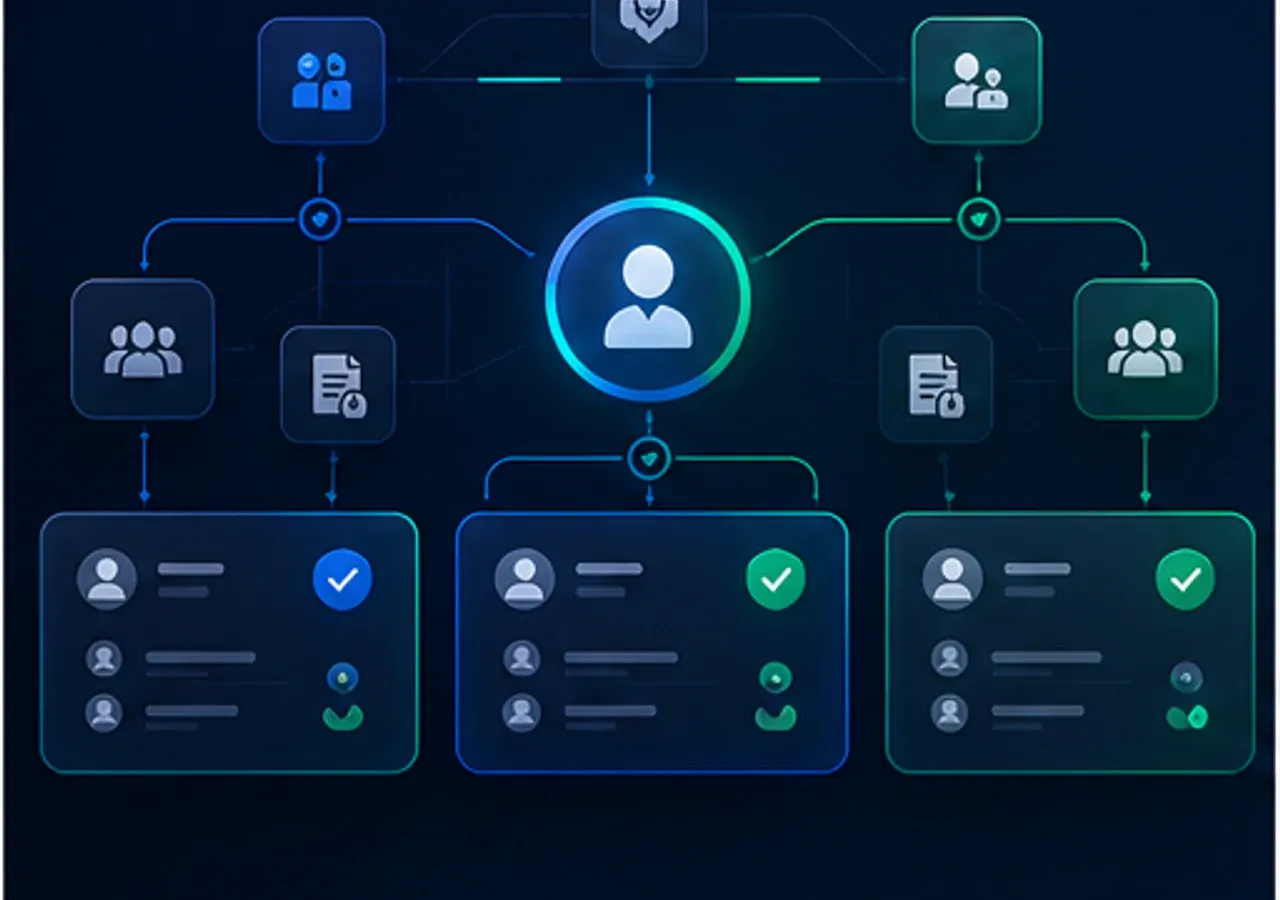
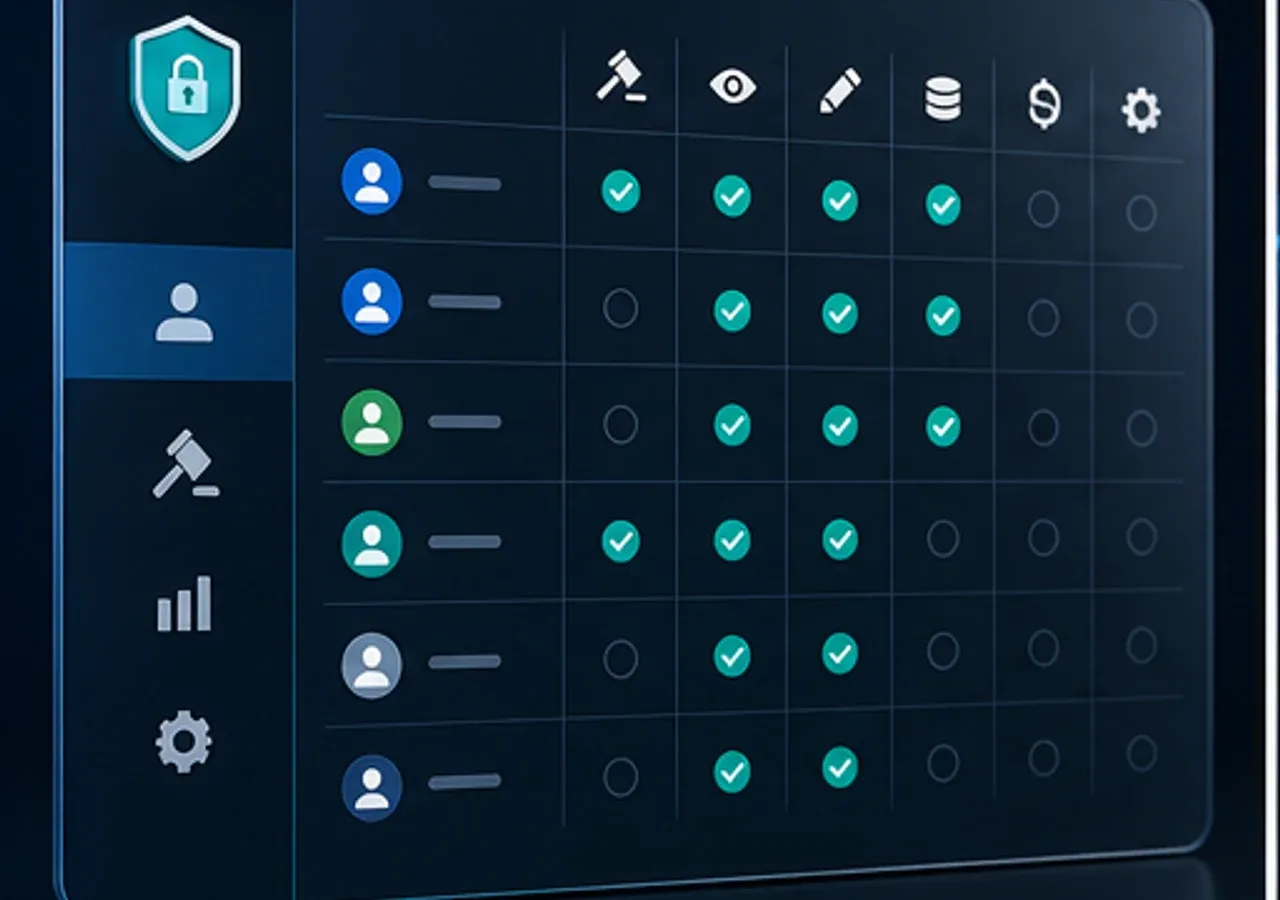
Align permissions with teams, regions, event roles and review responsibilities.
Connect identity, CRM, ERP, procurement and finance workflows around agreed data requirements.
Compare adoption, participation, price movement and outcomes across the auction program.
Use live and historical auction signals to support analysis while people retain decision authority.
Apply permission-aware access to participant, pricing, event and reporting data.
Enterprise blueprint
The enterprise layer connects governance, role design, data controls, integrations, reporting and repeatable auction programs across the organization.
Bring your teams, auction models and business systems together. Design a governed operating model that starts with your priorities and grows across the enterprise.
Enterprise rollout
Bidvantic can be rolled out in phases so teams prove value while building toward a broader auction operating model.
Document auction categories, stakeholders, systems, approvals, data and reporting requirements.
Set roles, permission boundaries, decision rights, audit expectations and escalation paths.
Start with high-value selling, sourcing or marketplace workflows that prove measurable value.
Connect identity, ERP, CRM, procurement, payments, analytics or document systems where needed.
Reuse templates, compare performance and improve auction strategy across teams and regions.
Enterprise capabilities
Enterprise teams need flexibility, but also need consistent controls. Bidvantic is designed to support both.
Support forward auctions, reverse auctions, marketplace models and private bidding programs.
Enterprise experience
Enterprise adoption improves when each team sees the platform as part of its workflow, not another isolated portal.

Leadership
Executives can review performance, risk, adoption and commercial outcomes across the auction program.

Operations
Auction teams can reuse templates, coordinate approvals and keep live event work under control.

Technology
IT teams can plan integration, identity, data movement, deployment and support patterns around existing systems.
Trust and compliance
Enterprise scale creates more visibility, more users and more risk. Controls need to be designed into the platform from the start.
Separate configuration, publishing, review, participant management and reporting rights.
Keep a traceable record of what happened, who acted and what changed.
Protect sensitive price, bid, supplier, buyer and internal decision information.
Reflect enterprise rules around event launch, award confirmation and exception handling.
Connect user access to enterprise identity and operational security expectations.
Give the right teams the right reports without broad data exposure.
Enterprise roles
Enterprise auction programs work when every role has clarity without fragmenting the platform.
Defines program goals, auction categories, commercial KPIs and rollout priorities.

Enterprise ecosystem
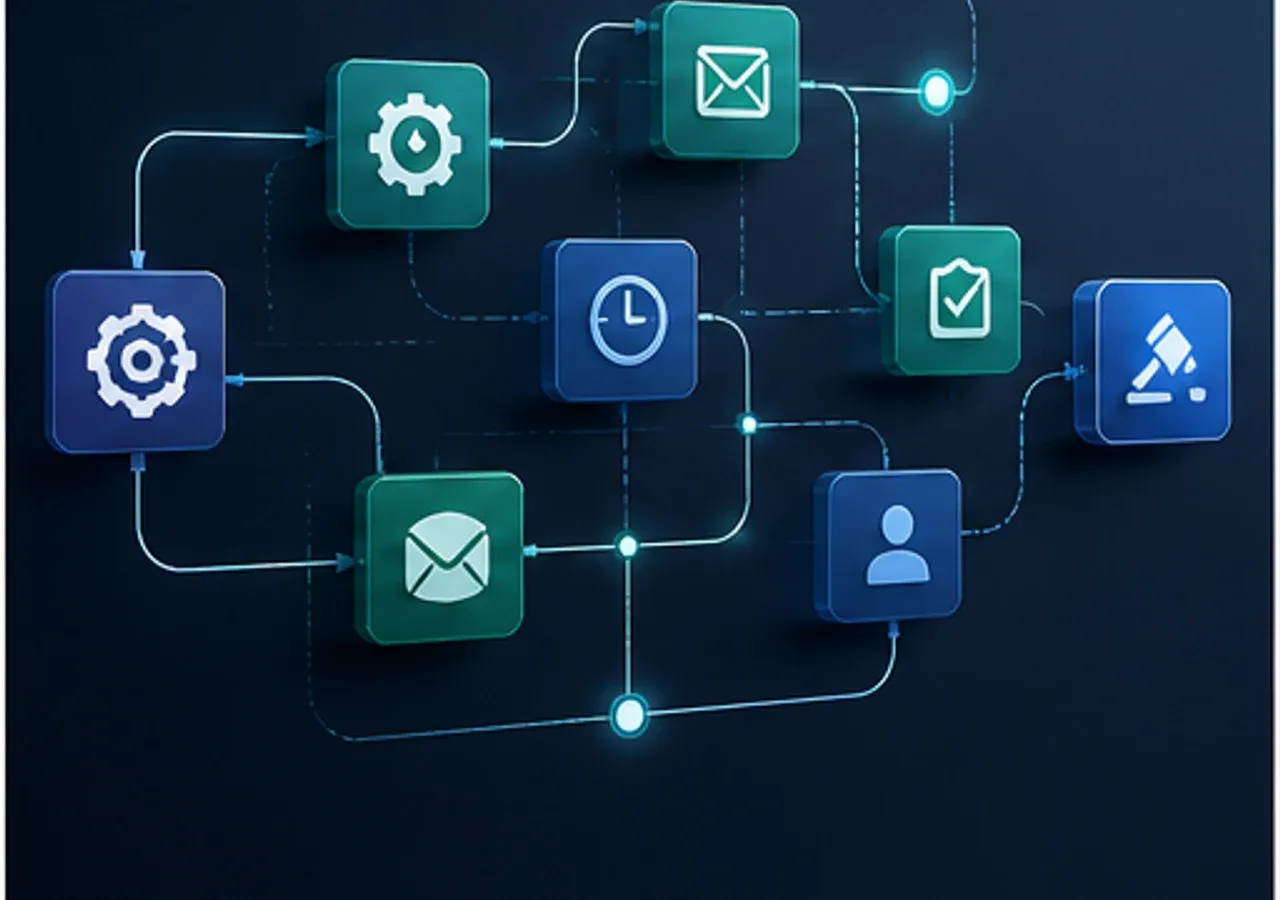
A serious auction program should connect to enterprise systems of record and decision systems.






















Decision room
Use these answers to pressure-test the enterprise auction software operating model before configuration begins.
Enterprise-ready auction software supports governance, roles, permissions, audit trails, repeatable workflows, data controls, integration planning and the ability to scale across teams or business units.
Yes. Bidvantic can support sell-side auction programs, reverse auction sourcing and marketplace-style models from one governed foundation.
It supports structured setup, controlled access, approval-oriented workflows, audit-ready records and operating visibility across the auction lifecycle.
Yes. Integrations can be planned around identity, ERP, CRM, procurement, finance, payments, analytics and document systems.
No. Enterprise auction software can support procurement, asset sales, liquidation, marketplace operations, private bidding programs and other commercial auction models.
Start with a priority use case and agree the event model, roles, approvals and reporting needs. Reuse validated configurations as additional teams join, adapting permissions and workflows to their responsibilities.
Yes. Enterprise programs can combine sell-side auctions, reverse sourcing events, marketplace operations and private bidding. Each program can apply its own rules while sharing common administration and reporting foundations.
Activity history, bid records, configuration changes, supporting documents and decision evidence help teams review an event. The exact records, access rules and retention requirements should be agreed during implementation.
Identify the source of each data field, the systems receiving updates, permission boundaries, error handling and ownership of each workflow. Agree integration scope and acceptance criteria before rollout.
AI can bring historical and live auction signals into participation, pricing and performance reviews. Teams remain responsible for bids, approvals and award decisions, using the insights as additional context.