
Ask a question
Use plain language to explore event health, bids, documents, participants or outcomes.
Natural Language Auction Analytics
Bidvantic helps authorized users query auction activity, documents, bid history and performance signals in plain language, then review concise answers grounded in controlled auction records.
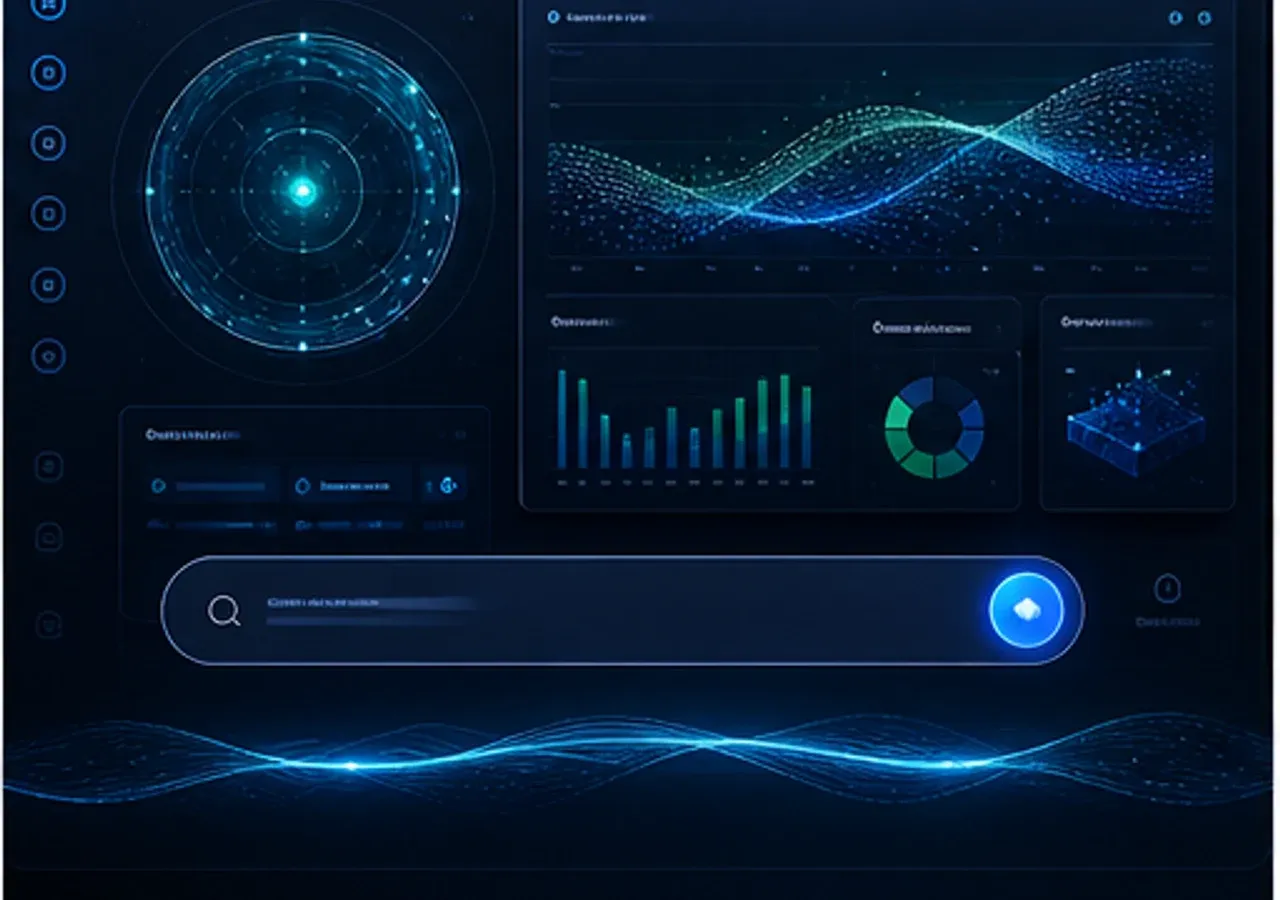
Users can ask operational and commercial questions without starting from a report builder.
Responses can reference the auction data, documents or metrics used to form the answer.
Answers follow the same data boundaries as the underlying auction records.
Teams get summaries that help frame review, not unsupported black-box conclusions.
AI auction context
Not every stakeholder wants a dashboard. Some need to ask: why did bidding slow down, which suppliers improved, what documents are missing, or which lots need attention? Natural language analytics makes those questions easier to explore.
Best fit: executives, auction operators, sourcing teams, sellers and support users who need fast interpretation.Intelligence blueprint
Questions are interpreted against permissioned data sources, then returned as concise answers, suggested follow-ups and links back to evidence.
Map your operating modelWorkflow
Each stage keeps AI assistance connected to auction data, user responsibility and reviewable action.
Use plain language to explore event health, bids, documents, participants or outcomes.
Limit answers to data the user is allowed to access.
Pull relevant event records, document signals, metrics and historical references.
Summarize findings with useful caveats and evidence links.
Move into dashboard, approval, export, support or event-action workflows.
Capabilities
The content is built around practical AI support for live events, operating teams and commercial review.
Ask natural questions about auction status, bid movement, document readiness or participant behavior.
Tie answers back to data points, documents, timestamps and event records where possible.
Suggest the next useful question based on the current auction state and user role.
Convert auction activity into concise briefings for leaders who need the pattern, not every click.
Help teams locate missing setup, weak participation, document gaps or support issues quickly.
Ask supplier, savings, compliance and award-readiness questions without losing sourcing context.
Prevent users from receiving answers that expose restricted bids, identities or documents.
Turn recurring questions into dashboards, exports or saved views over time.
Experience
AI should reduce uncertainty, focus attention and preserve the user's command of the auction process.
Users can ask questions of event data while staying inside the auction workflow.
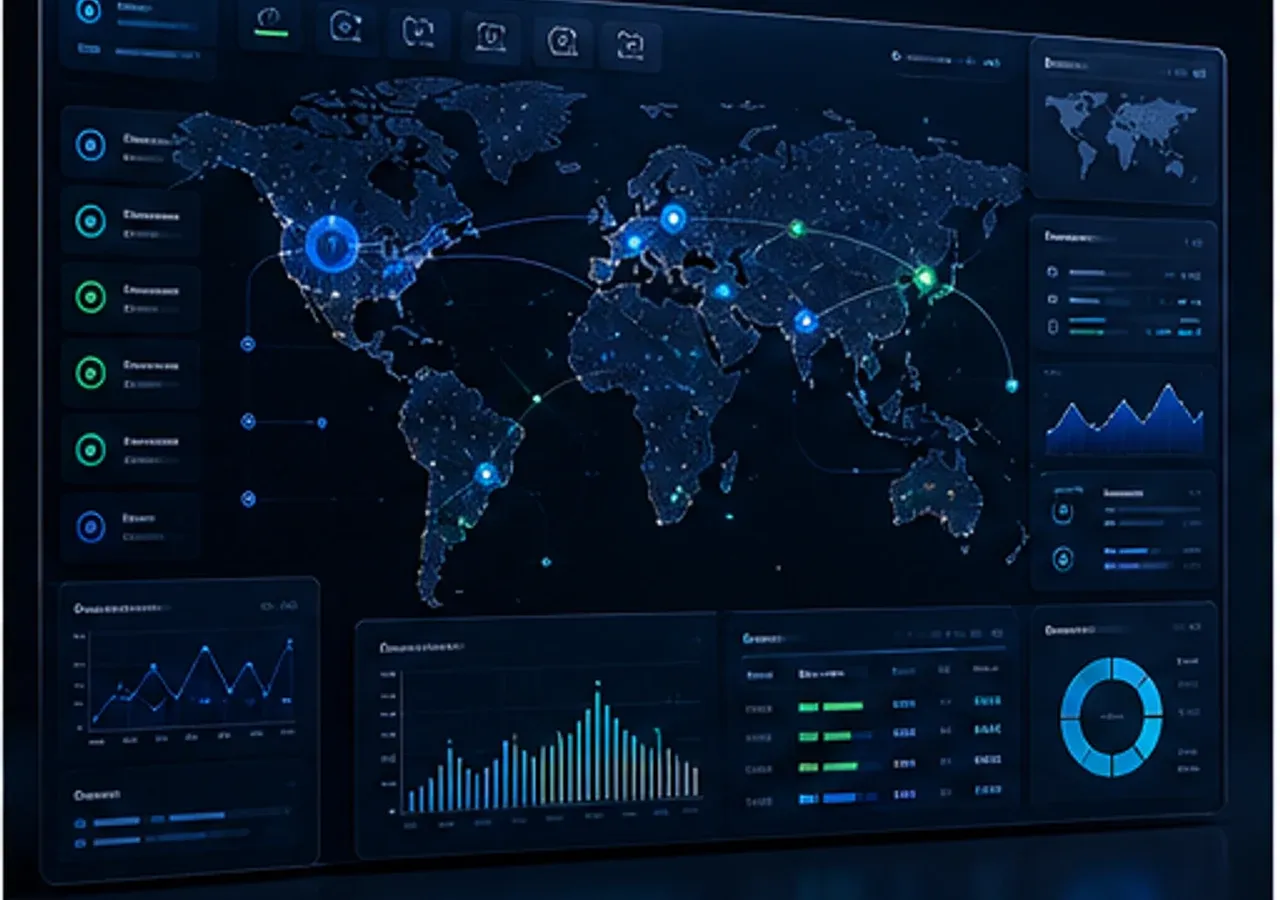
Answers remain useful because they point back to the records and signals behind them.
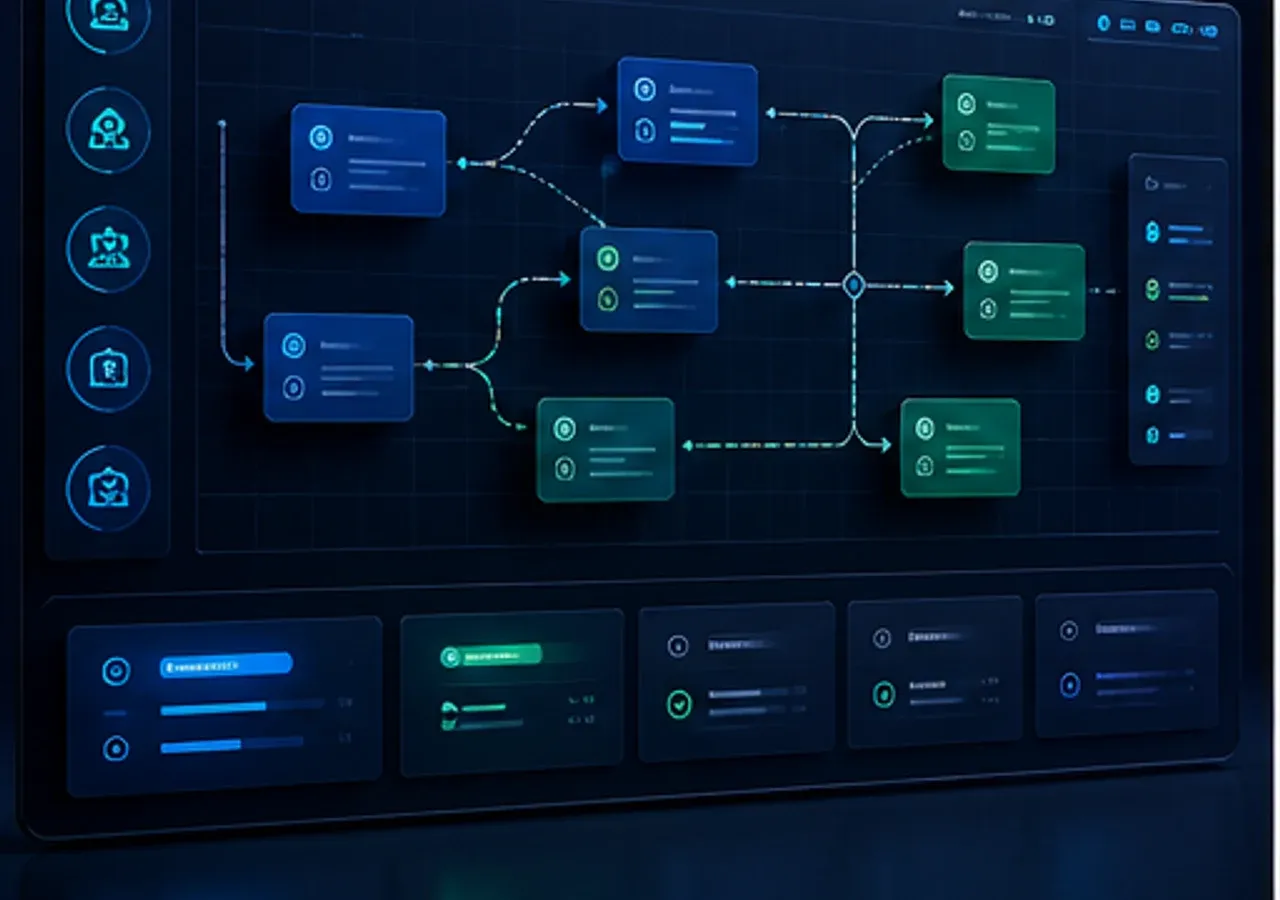
Teams can move from a question to a dashboard, review or action without starting over.
Controls
Bidvantic keeps AI assistance connected to permissions, source data, confidence and human decision ownership.
Apply user access rules before retrieving and summarizing auction records.
Show where an answer came from when the workflow requires evidence review.
Use cautious language when data is incomplete, early or low-volume.
Avoid exposing confidential bidder, supplier, price or document details to unauthorized users.
Retain prompt and answer history where policy requires review or support follow-up.
Require users to verify AI-generated summaries before making decisions.
Role impact
Each user group gets AI support aligned to what it is responsible for inside the auction lifecycle.
Get concise answers about adoption, value, risk and event outcomes.
Faster visibilityAsk what needs attention before a live auction becomes difficult to manage.
Sharper actionExplore commercial and compliance signals through sourcing-aware questions.
Better award prepLocate relevant event, document or process context quickly.
Faster resolutionConnected data
These connections help Bidvantic ground recommendations in live records, controlled documents and business handoffs.
Decision room
Use these answers to pressure-test the natural language auction analytics operating model before configuration begins.
Ask a specific questionIt lets authorized users ask plain-language questions about auction data, bid activity, documents, participants and outcomes.
They can be grounded in live and historical auction records, depending on your configuration, permissions and data availability.
The system should enforce permission checks so responses do not expose restricted records or sensitive auction information.
No. It complements dashboards by making exploratory questions faster, while dashboards remain useful for standardized reporting.
Answers should be source-linked, confidence-aware and reviewed by humans before consequential decisions are made.
AI auction roadmap
Bring your auction data, workflows, user roles and risk boundaries. We will map where AI can help without weakening control.