
Private Auctions planning
Define the event types, roles, records and decisions this capability must support.
Private Auctions
Bidvantic helps teams run restricted auction events where participant eligibility, documents, pricing visibility and final decisions must be controlled without slowing down the bidding experience.

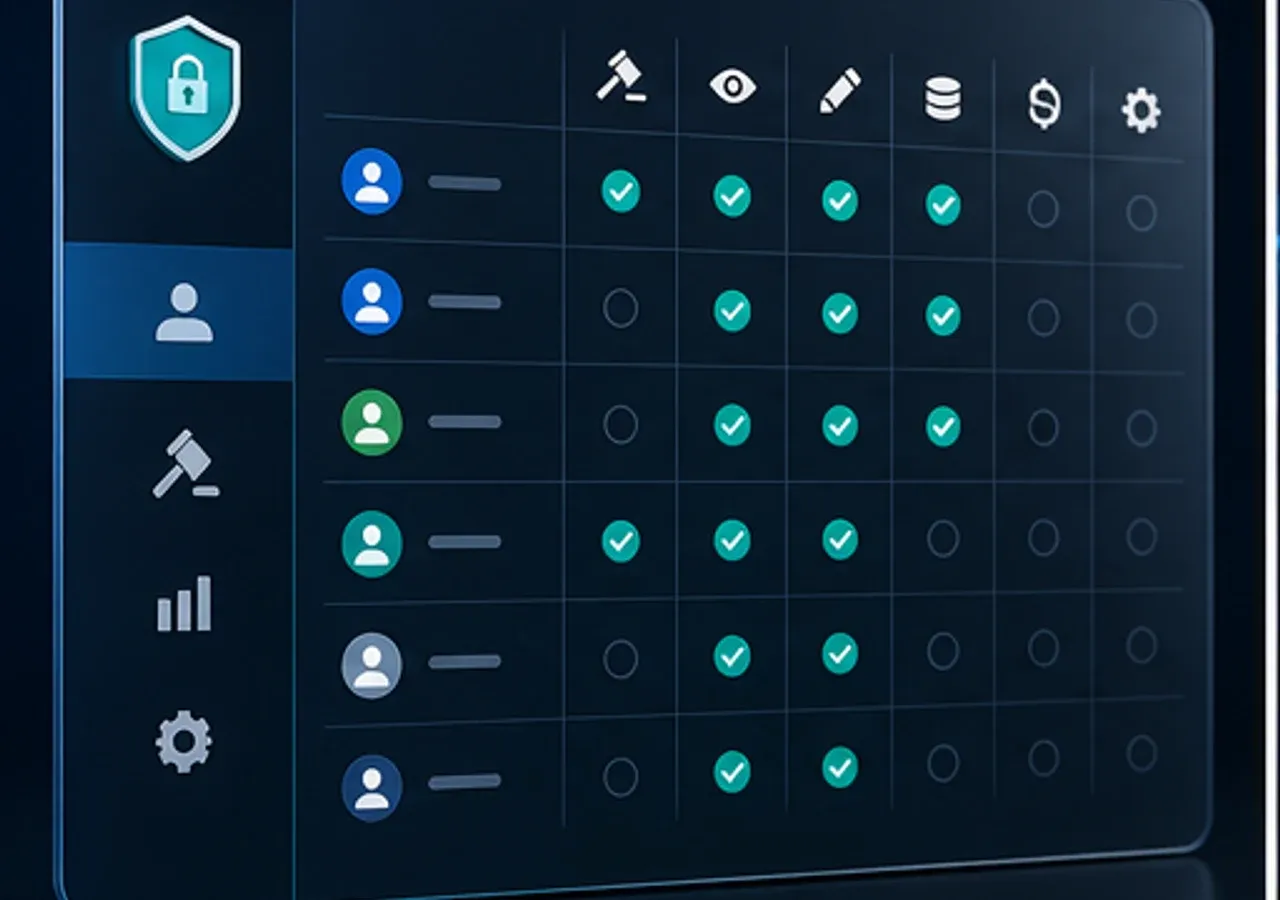
Only approved participants can enter events, view documents and place bids.
Sensitive pricing, bidder identity and document visibility follow configured rules.
Participants understand why the event is controlled and what actions are allowed.
Invitations, approvals, bid actions and exceptions remain available for audit.
Feature context
Bidvantic helps teams run restricted auction events where participant eligibility, documents, pricing visibility and final decisions must be controlled without slowing down the bidding experience. Best fit: private sales, sensitive sourcing events, strategic suppliers and qualified buyer rooms.
Best fit: private sales, sensitive sourcing events, strategic suppliers and qualified buyer rooms.Operating blueprint
Bidvantic treats private auctions as a controlled workflow, not a loose feature toggle. The capability connects users, records, rules, timing and evidence into one operating model.
Map your operating modelWorkflow
Each stage connects the feature to data, authority, participant experience and reviewable outcomes.
Define the event types, roles, records and decisions this capability must support.
Set rules, permissions, content and timing so the workflow reflects the operating model.
Expose the right actions to the right users once readiness checks are complete.
Monitor activity, exceptions and user signals while the auction is active.
Retain records, outcomes and lessons for audit, reporting and future events.
Capabilities
Each capability is shaped around controlled events, role-aware action and evidence that remains useful after the auction closes.
Invitation governance gives private auctions a practical operating role inside the auction lifecycle, with enough structure for teams to act quickly and review decisions later.
Eligibility screening gives private auctions a practical operating role inside the auction lifecycle, with enough structure for teams to act quickly and review decisions later.
Protected document rooms gives private auctions a practical operating role inside the auction lifecycle, with enough structure for teams to act quickly and review decisions later.
Confidential bid rules gives private auctions a practical operating role inside the auction lifecycle, with enough structure for teams to act quickly and review decisions later.
Participant segmentation gives private auctions a practical operating role inside the auction lifecycle, with enough structure for teams to act quickly and review decisions later.
Private Q&A handling gives private auctions a practical operating role inside the auction lifecycle, with enough structure for teams to act quickly and review decisions later.
Private award approval gives private auctions a practical operating role inside the auction lifecycle, with enough structure for teams to act quickly and review decisions later.
Access history gives private auctions a practical operating role inside the auction lifecycle, with enough structure for teams to act quickly and review decisions later.
Experience
The interface should help users understand what matters, act confidently and avoid unnecessary operational noise.
Teams see the records, signals and actions that matter most for private auctions.

Users get a clearer journey when this capability affects bidding, registration or review.
Completed events create better operating patterns for the next auction cycle.
Controls
Controls keep the feature useful for live operations while protecting commercial data, decisions and audit evidence.
Approve participants before event entry helps private auctions stay aligned with real auction policy, user authority and post-event review.
Restrict lot and document visibility helps private auctions stay aligned with real auction policy, user authority and post-event review.
Separate bidder and admin permissions helps private auctions stay aligned with real auction policy, user authority and post-event review.
Capture invitation and access evidence helps private auctions stay aligned with real auction policy, user authority and post-event review.
Require acknowledgement of private terms helps private auctions stay aligned with real auction policy, user authority and post-event review.
Review exceptions before awards helps private auctions stay aligned with real auction policy, user authority and post-event review.
Role impact
Bidvantic keeps feature behavior aligned to the people who configure, use, approve and review auction activity.
Use private auctions to keep setup, live activity, exceptions and closeout moving with less ambiguity.
Cleaner executionGive bidders, buyers or suppliers clearer context and fewer hidden steps when the feature affects their journey.
Better participationConnect decisions to the records, rules and evidence needed before consequential actions move forward.
Stronger governanceUse consistent feature behavior to expand auction operations without creating unmanaged process variation.
Program confidenceConnected workflow
These connections help the feature support real auction operations instead of becoming an isolated screen.
Decision room
Use these answers to pressure-test the private auctions operating model before configuration begins.
Ask a specific questionPrivate Auctions helps teams make this part of the auction lifecycle clearer, more controlled and easier to review after the event.
Yes. Private Auctions can support forward auctions, reverse auctions, private events and marketplace workflows when configured around the right rules.
Governance comes from role-based permissions, approval paths, event rules, audit records and reviewable exception handling.
Yes. Depending on the workflow, it can connect with identity, ERP, CRM, finance, documents, analytics, notifications and support systems.
Start by mapping the users, records, actions, risks and success measures tied to Private Auctions, then pilot the capability inside one controlled auction workflow.
Feature planning
Bring your event types, roles, rules and data handoffs. We will map the feature behavior that fits your workflow.