
Industrial & heavy equipment auction software
Industrial auction software built for high-value equipment sales
Present condition, service history and collection requirements alongside competitive bidding. Give equipment buyers the information to prepare and your team the controls to manage the sale.
White-label | AI-enabled | API-connected | Enterprise-ready
Overview
Turn idle machines into well-prepared auction opportunities
Give every participant a clearer path from preparation to outcome. Bidvantic connects serial numbers and asset ids, operating hours and usage, service and maintenance records with configurable bidding, shared documents and accountable handoffs.
Prepare with confidence
Keep inspection reports and serial numbers and asset ids close to each lot so participants know what they are reviewing.
Compete with clarity
Publish participation requirements and bidding rules before the event. Keep approvals and exceptions visible to the right team.
Close with control
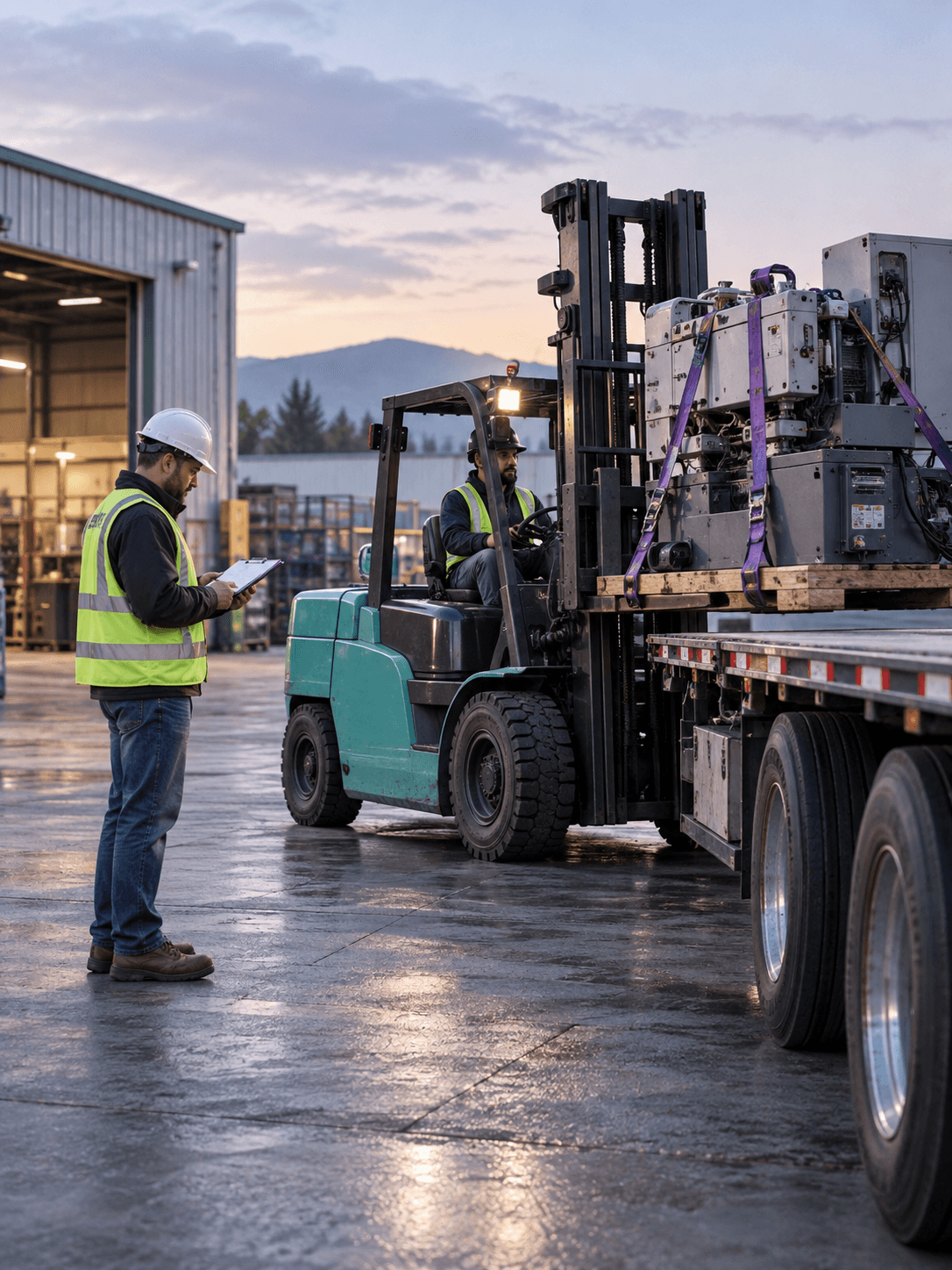
Connect the winning outcome to payment, documentation and the practical handoff for machines.
Key features
Everything your equipment auction needs to run well
Build a consistent operating process without losing the details that make equipment auctions different.
Control access to sensitive information
Set participant permissions around inspection reports, commercial records and private workflows.
Participant qualification
Auction configuration
Real-time bidding
Documents and workflow
Settlement and reporting
Capabilities
Every part of your auction, connected
Move from serial numbers and asset ids to a reviewed outcome through one coordinated workflow.
Catalog and lot management
Give auction operations the tools to manage catalog and lot management without losing the context of the wider auction.
- Serial numbers and asset IDs
- Operating hours and usage
- Service and maintenance records
- Inspection and condition reports
- Attachments and included tooling
- Location and collection requirements
- Assigned ownership
- Configurable visibility
- Review history
- Exportable records





Who we serve
Built for the people moving machines
Support specialist teams, repeat programs and growing auction businesses with the same connected foundation.
Equipment dealers
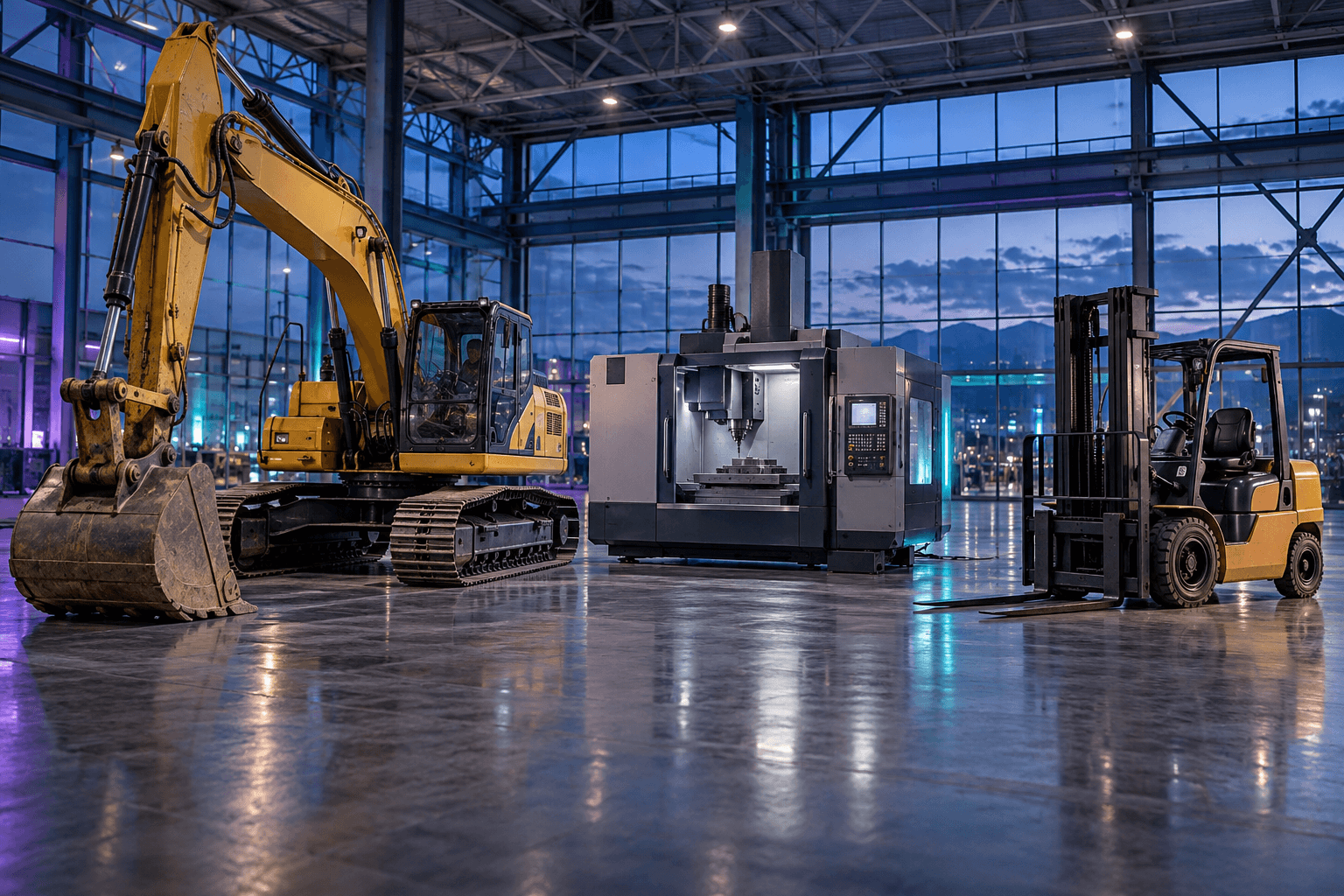
Bring excavators and loaders into a repeatable auction workflow with clear preparation and handoff.
Industrial asset owners
Coordinate participation and auction decisions around operating hours and usage.
Plant closure teams
Bring forklifts and handling equipment into a repeatable auction workflow with clear preparation and handoff.
Rental fleet operators
Coordinate participation and auction decisions around inspection and condition reports.
Auction companies
Bring fleet and workshop assets into a repeatable auction workflow with clear preparation and handoff.
Insolvency and recovery teams
Coordinate participation and auction decisions around location and collection requirements.
AI auction intelligence
More context for every auction decision
Use AI to surface useful information across equipment auctions. Your team remains responsible for asset representations, commercial decisions and approvals.
Understand the lot
Read the detailSummarize inspection reports and key lot information so participants can start their review.
Prepare participation
Spot missing contextHighlight gaps in operating hours and usage and supporting documents before bidding begins.
Follow engagement
See meaningful signalsReview interest across excavators and loaders and other lots without treating engagement as a guaranteed outcome.
Guide decisions
Keep people in controlBring relevant bid and budget context to participants while keeping private limits private.
Review performance
Learn from each eventCompare participation, bidding activity and sale outcomes to inform the next equipment event.
Ask better questions
Find answers fasterExplore available auction records conversationally, with access governed by participant roles.
Prepare machines with clear documents and participation rules.
Follow bidding signals and keep commercial decisions with people.
Review outcomes and coordinate the next operational handoff.
On demand features
Adapt the platform to your operating model
Add specialist workflows where they make the auction easier to prepare, participate in and close.
Inspection bookings
Connect inspection bookings to the wider equipment auction workflow.
Dismantling coordination
Connect dismantling coordination to the wider equipment auction workflow.
Load-out appointments
Connect load-out appointments to the wider equipment auction workflow.
Transport handoff
Connect transport handoff to the wider equipment auction workflow.
Asset package bids
Connect asset package bids to the wider equipment auction workflow.
Deposit verification
Connect deposit verification to the wider equipment auction workflow.
Document acknowledgements
Connect document acknowledgements to the wider equipment auction workflow.
Post-sale tasks
Connect post-sale tasks to the wider equipment auction workflow.
Integrations
Connect the systems your team relies on
Carry equipment auction information between your platform and the systems around it. Integration scope is agreed around your available APIs and workflows.
CRM & contacts
- Salesforce
- Microsoft Office 365

Identity & access
- Authenticator QR pairing
Payments & deposits
- Stripe

- Razorpay

Electronic signatures
- DocuSign

- PEXA

- Simplifile

Finance & communication
- Microsoft Office 365
- Salesforce
- Twilio

AI & workflow automation
- Supabase
- Google Gemini

- OpenAI

- Adobe PDF
- Sanity

- Calendly

Success stories
See connected auction operations in practice
Rolling out an enterprise branded auction portal for controlled asset sales
Read case study
Creating a reverse auction program for facilities services supplier bidding
Read case studyRoles
The right workspace for every participant
Keep auction operations, equipment sellers, approved buyers, finance and logistics connected without giving everyone the same access.
Auction operations
A focused workspace for auction operations, with the information and actions needed at each stage.
- Prepare machines
- Serial numbers and asset IDs
- Operating hours and usage
- Service and maintenance records
- Inspection and condition reports
- Attachments and included tooling
- Location and collection requirements
- Publish event conditions
- Configure bidding rules
- Review registrations
- Monitor live activity
- Manage event exceptions
- Coordinate closing
- Assign follow-up tasks
- Review outcomes
- Export operational records




Implementation
Move from operating requirements to a ready auction
Start with the realities of your equipment workflow, then configure, validate and launch with a clear handover.
Discover and design
Map your teams, event formats and the information required to make machines auction-ready.
- Serial numbers and asset IDs
- Operating hours and usage
- Service and maintenance records
- Inspection and condition reports
- Attachments and included tooling
- Location and collection requirements
- Participant journeys
- Approval ownership
- Integration requirements
- Launch priorities



Why Bidvantic
Your auction model, with room to grow
Bring specialist equipment processes into a platform designed for branded, connected operations.
Your brand and relationships
Keep your domain, participant experience and auction relationships at the center of the service.
Controls that reflect your team
Define who can prepare, approve, bid and review machines at each stage of the auction.
Connected systems and records
Use APIs and agreed integrations to move information between the auction platform and your operational systems.


FAQs
Questions before your next equipment auction
Explore the practical decisions behind platform configuration, participation and launch.
What is equipment auction software?
It is a platform for managing machines from listing or requirement preparation through participation, bidding and post-event handoff. Bidvantic brings serial numbers and asset ids, operating hours and usage, service and maintenance records into the same workflow as auction controls and reporting.
What can we auction on the platform?
Your configuration can support excavators and loaders, cnc and production machinery, forklifts and handling equipment, generators and compressors, fleet and workshop assets, multi-site surplus inventories. Each category should have appropriate fields, participation requirements and sale conditions agreed before launch.
Can we run different auction formats?
Timed, live, sealed and controlled-participation events can be configured around your operating model. Choose the format, increments, reserve or evaluation rules, extensions and closing process appropriate to the event.
How are participants qualified?
Registration, supporting evidence, document acknowledgements and approval steps can be configured for each audience. Your team defines eligibility and decides who receives access; the platform helps organize that review.
Can we manage specialist documents?
Yes. Inspection reports, Maintenance records, Ownership documents, Collection instructions can be organized around lots and events. Configure visibility and acknowledgement steps so participants can review the relevant information before bidding.
How does AI support these auctions?
AI can help summarize available records, highlight information gaps and surface engagement or bidding context. It supports review rather than replacing specialist judgement, verification, valuation or your award decisions.
Can the platform use our own brand?
Yes. A white-label implementation can use your brand and domain, with participant journeys and communications configured around your organization. Scope the required branding and workflows during implementation.
Can we connect existing systems?
API-based integrations can connect agreed CRM, ERP, payment, identity, document and analytics workflows. The exact data mapping, available APIs and access requirements are reviewed during discovery and validated before launch.
How are payment and collection tasks managed?
Connect approved outcomes to billing, payment status and transport handoff. Assign responsibilities and required records so teams can track what is complete and what still needs attention.
What is needed to launch?
Start with representative machines, sample inspection reports, auction rules, participant roles and integration requirements. These inputs help configure the experience, test realistic scenarios and prepare the team for its first event.