
Create defensible savings
Capture starting prices, bid movement, supplier participation and final awards in a record stakeholders can review.
Procurement auction software
Procurement auctions work best when suppliers understand the requirement, stakeholders trust the process and award decisions are supported by comparable data. Bidvantic turns sourcing events into controlled, repeatable competition across categories and teams.
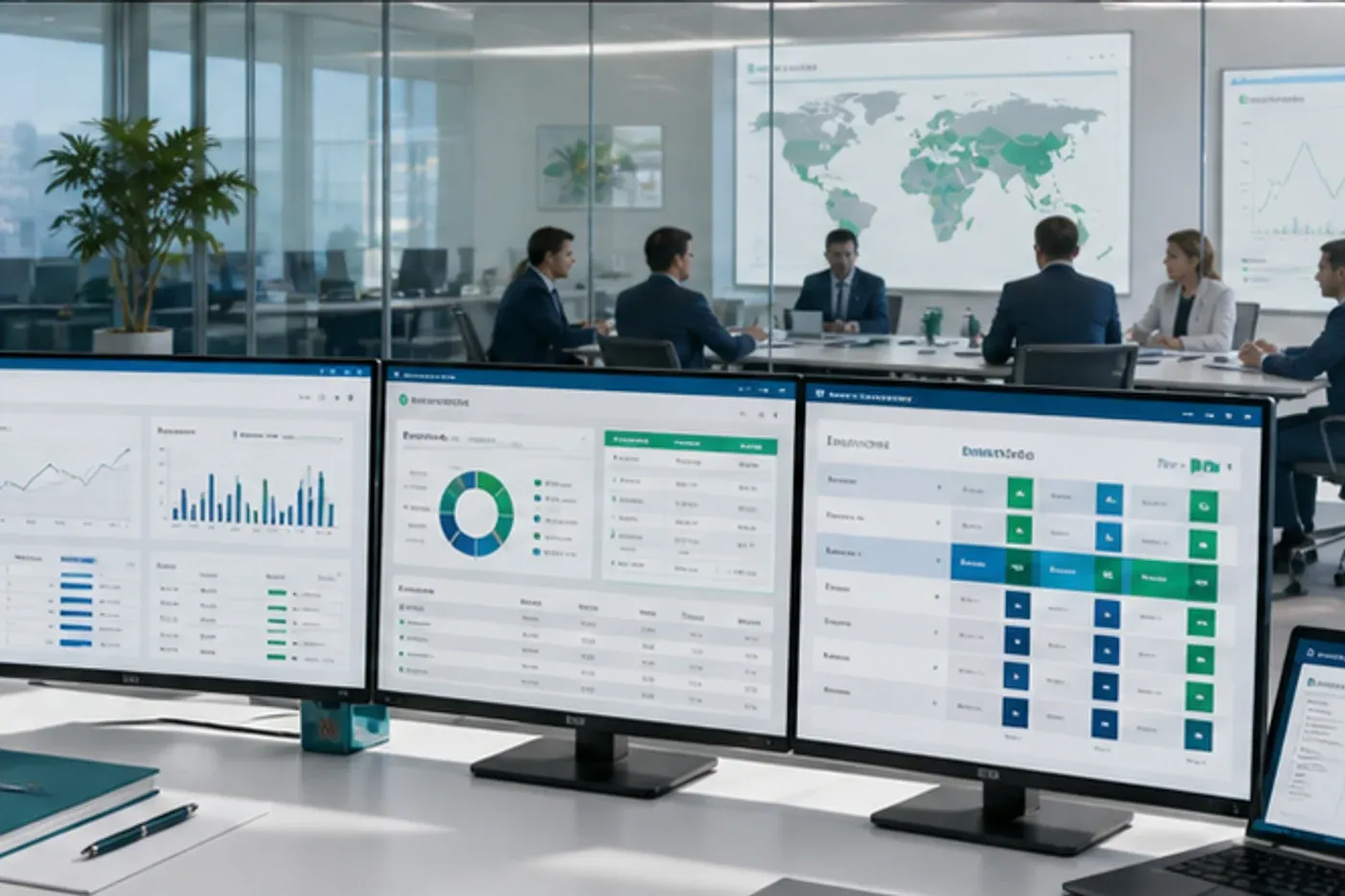
Industry reality
Supplier bids are rarely just numbers. They include technical compliance, service levels, delivery, risk, contract terms and stakeholder preferences. Bidvantic helps procurement teams run structured events where price tension and award judgment can coexist.
Executive value
The business case connects sector performance with financial visibility, operational execution and a maintainable technology foundation.
Capture starting prices, bid movement, supplier participation and final awards in a record stakeholders can review.
Replace fragmented emails and spreadsheet comparisons with one controlled event workspace.
Give participants clear requirements, timelines, rule visibility and equal access to clarifications.
Route recommendations through business, finance, legal or leadership approvals before final decision.
Connected participants
The platform coordinates the roles, information and handoffs surrounding competition instead of leaving each organization to operate in isolation.
Design sourcing strategy, bidder lists, package logic, event rules and evaluation criteria.
Contribute requirements, review supplier fit and approve commercial recommendations.
Respond to packages, ask questions, revise bids and compete under transparent event rules.
Review savings, risk, contract notes and award approvals before commitment.
Monitor event performance, compliance and category-level sourcing outcomes.
Relevant auction models
Format selection reflects the transaction, available demand, disclosure boundaries and how the organization intends to confirm the result.
High-value use cases
Run events for facilities, marketing, IT, HR, logistics, maintenance or professional services.
Compare suppliers on item-level price, delivery, quality and commercial assumptions.
Create fast but governed competition for urgent requirements and tactical purchases.
Collect line-item pricing for multi-supplier agreements, catalogues and service schedules.
Use competitive events and scoring evidence to support vendor consolidation decisions.
Recover value from surplus stock or assets where procurement owns disposal strategy.
End-to-end workflow
Each stage has a distinct owner, information requirement and condition that determines whether the transaction can progress.
Capture requirement, volumes, timelines, evaluation criteria and internal owners.
Invite suppliers by category, qualification, geography, risk profile and business approval.
Release documents, line items, rules, bid sheets and Q&A process through one workspace.
Manage supplier questions, stakeholder responses, addenda and version control.
Run reverse, sealed or multi-round bidding with timing, visibility and extension rules.
Compare commercial results with quality, service, compliance, delivery and stakeholder scoring.
Document recommendation, approval, supplier notification and contract handoff.
Industry capabilities
Records, permissions and actions can be configured around the terminology and responsibilities already used by sector teams.
Structure line items, lots, bundles, alternates, currency rules and response requirements.
Maintain bidder profiles, qualification status, category tags and event-specific eligibility.
Route sourcing stages, bid release, award recommendations and exceptions to the right approvers.
Centralize requirements, addenda, supplier questions and acknowledgements.
Measure participation, savings, bid compression, supplier behavior and cycle time.
Segment suppliers and event invitations based on spend category, geography and risk profile.
Enterprise technology
Modular services and controlled APIs can exchange the sector-specific records needed before, during and after competitive bidding.
Explore the Bidvantic technology ecosystemSync approved suppliers, contacts, category tags and qualification status.
Connect cost centers, requisitions, purchase orders and award outputs.
Attach terms, templates, negotiated clauses and final handoff documents.
Push event outcomes, savings, participation and cycle-time data into leadership reporting.
Security and governance
Ensure all invited suppliers receive the same requirement versions, addenda and clarification responses.
Protect supplier pricing and sensitive submissions according to event rules.
Record why the selected supplier won, including non-price criteria and stakeholder approvals.
Capture late bids, disqualified responses, scope changes and negotiated departures.
Commercial outcomes
Agree the source, baseline and owner of every measure before launch so results remain useful to operational and executive reviewers.
Move from scattered files to one record of requirement, competition, evaluation and award.
Give suppliers a clear, fair and professional bidding experience.
Use structured competition to accelerate price discovery and stakeholder alignment.
Reuse templates, rules and approval paths across recurring procurement events.
Report savings and award logic in a way finance and leadership can trust.
Deployment pathway
The first release should validate the industry data, participant readiness and downstream operating handoffs before expansion.
See how Bidvantic supports adoptionSelect categories where event structure, supplier availability and spend value make auctions worthwhile.
Define bid sheets, Q&A rules, scoring fields and approval paths for repeat use.
Import suppliers by category, geography, qualification and business relationship.
Pilot with a controlled requirement and measure savings, cycle time and supplier participation.
Extend templates across teams with dashboards, reporting and approval consistency.
Frequently asked questions
No. Procurement teams can use reverse auctions, sealed bid events, multi-round negotiations and forward auctions for disposal where relevant.
Yes. Events can include technical, delivery, service, compliance and stakeholder evaluation inputs alongside bid price.
Visibility depends on the configured event rules. You can run ranked, anonymous, sealed or private competition depending on sourcing strategy.
Recommendations, approvals, exceptions and final award notes can be captured before suppliers are notified or contracts are handed off.
Yes. Supplier, requisition, cost center, purchase order and reporting integrations can be planned around the enterprise stack.
Related industry pathways
Your industry model