
Frame
Clarify objectives, event types, user roles, business rules, compliance needs and delivery constraints.
Auction Software Development
Work with an auction-focused product and engineering approach to design, extend and evolve bidding workflows, marketplace logic, procurement events, integrations and AI-assisted auction experiences.

Design around bidding formats, participants, events, documents, rules and decision records.
Move from discovery to prototype to release with practical checkpoints.
Improve workflows with data from real events, users and operating teams.
Specialist development
Bidvantic development work focuses on auction mechanics, role-based experiences, visibility rules, admin control, integrations, reporting and AI-assisted decision support. The goal is to create software that can be operated, trusted and improved.
Best fit: new auction products, marketplace ventures, procurement platforms, enterprise extensions and teams replacing fragile legacy auction tools.Development blueprint
The approach connects product discovery, UX, architecture, data design, platform engineering, QA, integration planning and post-launch improvement around the specific realities of auctions.
Map your operating modelDevelopment workflow
Each step is designed to keep commercial ambition, platform readiness and operational governance moving together.
Clarify objectives, event types, user roles, business rules, compliance needs and delivery constraints.
Shape journey maps, information architecture, admin workflows, bidding screens and content requirements.
Define data models, permissions, integrations, hosting, analytics, security and extensibility patterns.
Build and test release slices with clear acceptance criteria and operational review.
Use launch data, user feedback and event outcomes to prioritize improvements.
Platform depth
The content below is written to support decision makers, operators and technical teams evaluating the solution seriously.
Clarify the product model, operating model, audience, event types and commercial outcomes before building.
Design bidder, seller, supplier, buyer, admin and approver journeys around actual decisions.
Implement format logic, bid validation, timing behavior, increments, extensions, reserves and award states.
Support multi-party workflows, supplier events, seller operations, catalog structures and transaction paths.
Connect the platform with ERP, CRM, finance, identity, payment, document and analytics systems.
Add summaries, guidance, risk signals, market context or admin assistants where the data supports it.
Validate bid behavior, permissions, notifications, edge cases, reports and audit records before launch.
Improve the platform through roadmap planning, analytics, feedback and support insights.
Experience design
Each solution page uses visual, workflow and governance sections so the story has depth beyond a basic marketing promise.
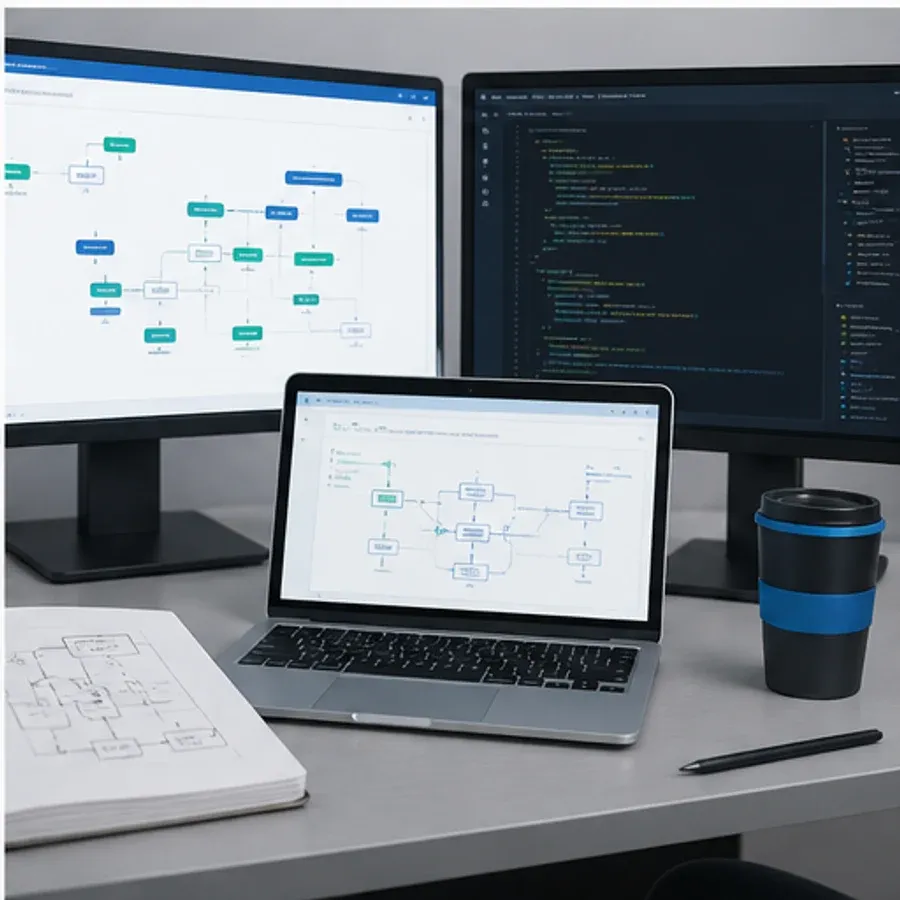
Requirements are evaluated against timing, trust, visibility, bid behavior and operating risk.
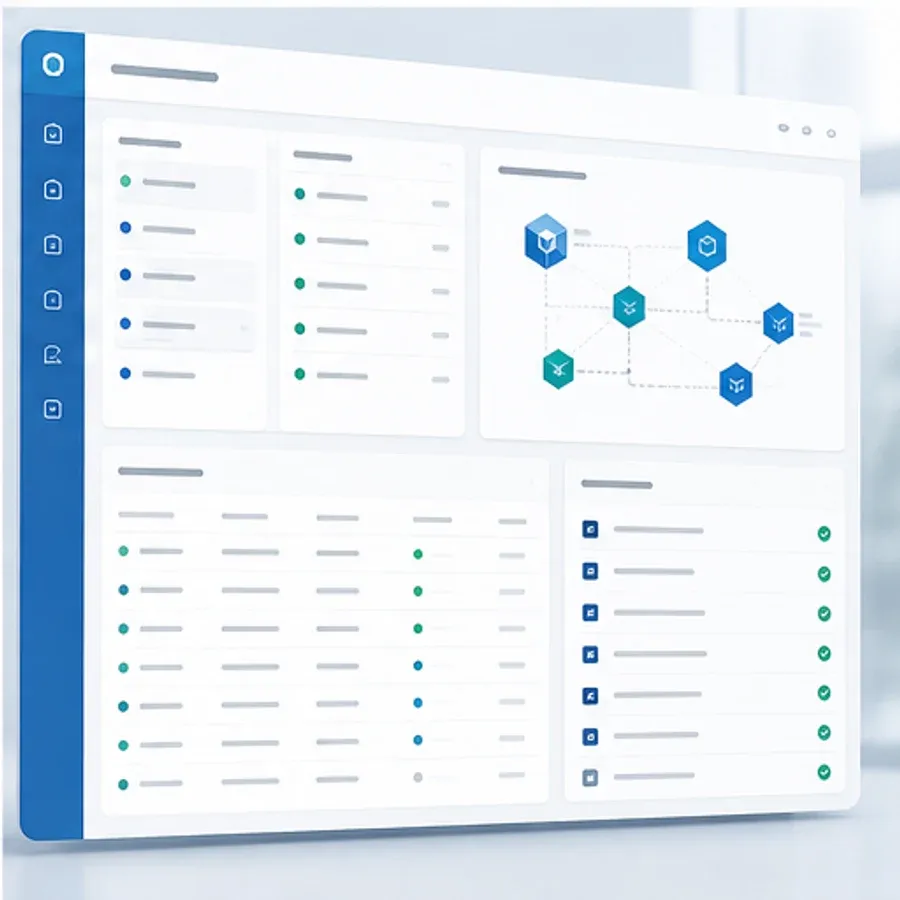
Critical workflows can be validated before full engineering effort is committed.
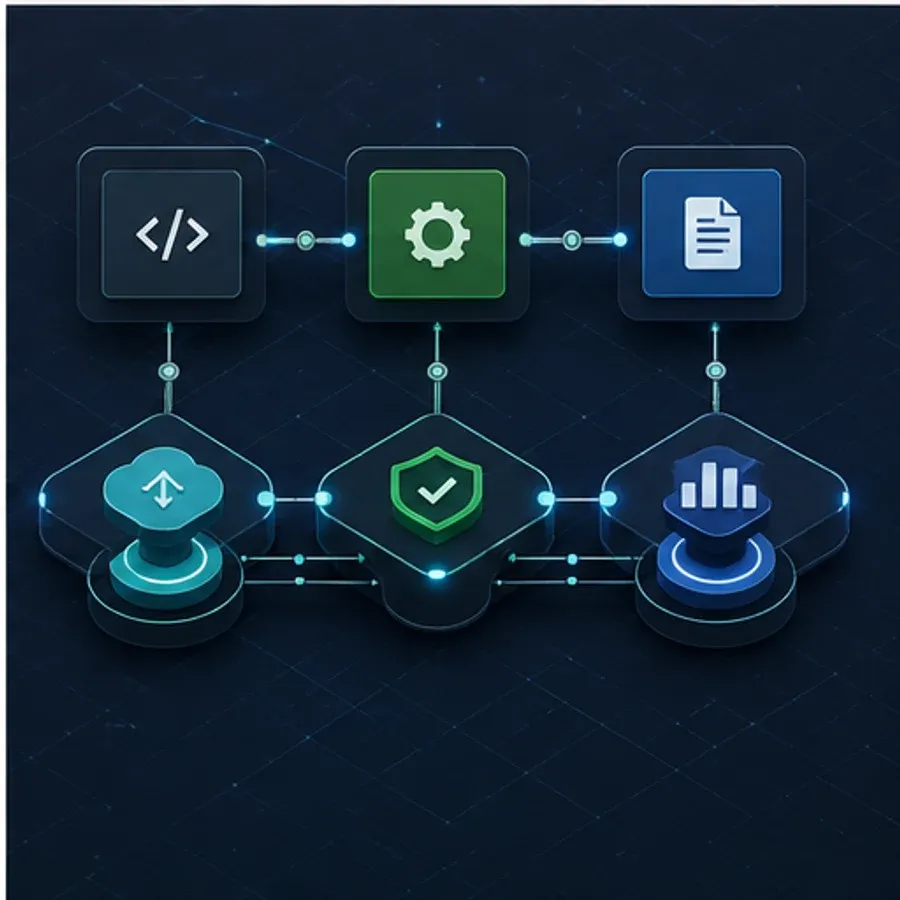
Launch planning includes testing, admin readiness, support paths, reporting and iteration rhythm.
Governance
Auction solutions need rules, review paths and operating discipline because trust depends on what happens when the event goes live.
Connect every build item to a user need, business rule, risk control or measurable outcome.
Model roles and visibility early so sensitive bid, document and pricing data is protected.
Validate timing, increments, reserves, ranking, award states and unusual edge cases.
Plan data ownership, sync behavior, failures, retries and operational handoffs.
Treat authentication, access, records and review evidence as product foundations.
Use a clear decision process for what ships now, what waits and what should never be custom-built.
Who it helps
The value case is split across business, operations, technology and participant-facing roles so the page avoids generic repetition.
Move from market thesis to a practical, buildable auction platform roadmap.
Sharper launchShape journeys, data and rules around how bidding actually works.
Better product fitImplement auction workflows, integrations and AI layers without fragile shortcuts.
Maintainable codeValidate admin controls, support needs, reports and exception handling before launch.
Operational confidenceConnected stack
These pages position Bidvantic as a serious system in the operating environment, not a disconnected bidding widget.
Decision room
Use these answers to pressure-test the auction software development operating model before configuration begins.
Ask a specific questionBidvantic can support auction product development, but the recommended path is to reuse proven auction foundations where possible and reserve custom engineering for real differentiation.
Auction products depend on timing, rules, visibility, trust, documents, participation behavior and decision records. Those details affect architecture, UX, testing and operations.
Yes. Development can include seller onboarding, buyer journeys, catalogs, commissions, payments, marketplace analytics and multi-party workflows.
Yes. AI can support summaries, guidance, risk signals and market context, but it should be introduced with clear data boundaries and advisory positioning.
Start by mapping the business model, auction formats, roles, workflow gaps, integrations and launch priorities. That creates the development blueprint.
Development conversation
We can turn your bidding model, workflows and integrations into a focused development roadmap.