
Discover
Map business outcomes, users, auction types, rules, data sources, constraints and success measures.
Custom Auction Software
Extend Bidvantic around the workflows, rules, user journeys, integrations and intelligence layers that make your auction business different from a standard platform implementation.
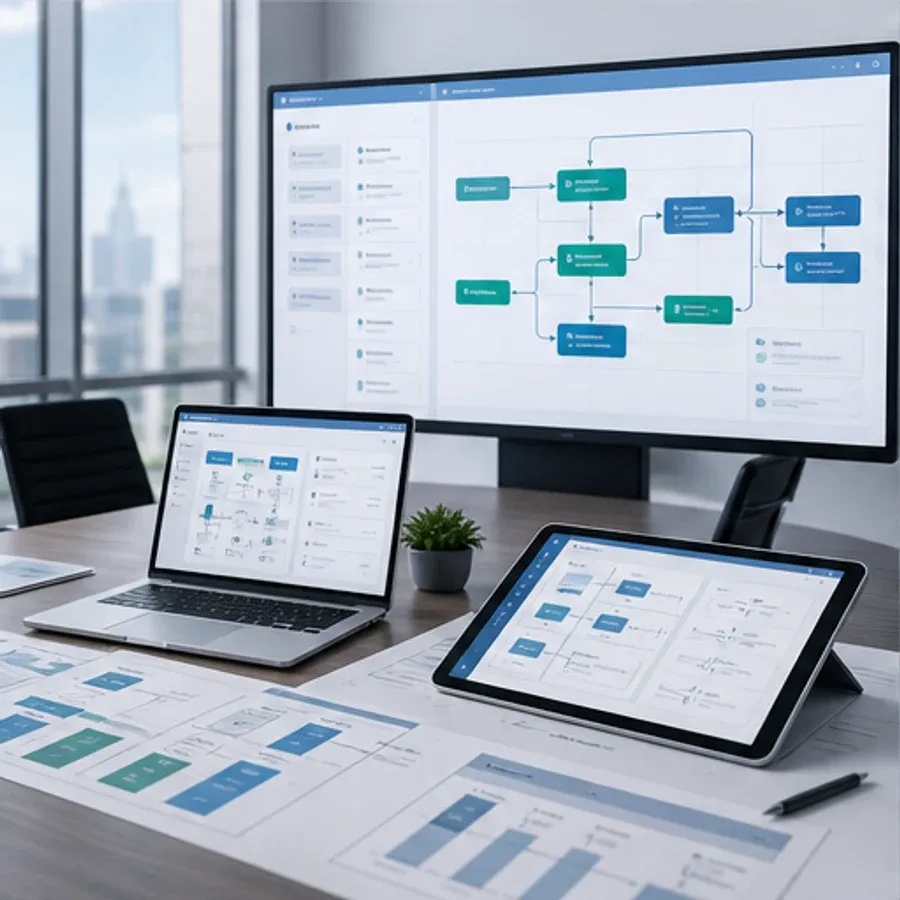
Use established auction capabilities as the foundation for custom workflow design.
Prioritize the gaps that affect revenue, governance, user adoption or operational speed.
Move through discovery, prototype, release and optimization rather than a risky one-shot build.
Built around fit
Bidvantic provides the auction foundation, then custom work can shape event flows, participant journeys, admin tooling, data models, integrations, AI guidance, reporting and operational automation around your business.
Best fit: teams with differentiated auction rules, category complexity, data dependencies, enterprise workflows or product ambitions beyond standard configuration.Custom-build blueprint
The right custom plan separates must-have workflows from future enhancements, protects the core auction engine and gives each release a measurable operational purpose.
Map your operating modelCustom delivery workflow
Each step is designed to keep commercial ambition, platform readiness and operational governance moving together.
Map business outcomes, users, auction types, rules, data sources, constraints and success measures.
Separate launch-critical requirements from later roadmap items so delivery stays focused.
Validate unusual journeys, screens, calculations or integrations before heavy build effort.
Deliver modules, content, reports and integrations in reviewable releases with clear acceptance criteria.
Use live auction behavior, team feedback and operational data to tune the product roadmap.
Platform depth
The content below is written to support decision makers, operators and technical teams evaluating the solution seriously.
Support unusual bidding rules, category structures, fees, increments, award paths or event states.
Design experiences for sellers, bidders, suppliers, approvers, agents, admins or external reviewers.
Reduce manual work around approvals, reminders, status changes, document checks and reporting.
Capture the fields, entities and relationships your category or business process requires.
Connect auction activity with ERP, finance, CRM, logistics, identity, marketplace or document systems.
Add guidance, summaries, risk signals, pricing context or admin assistance where it improves decisions.
Build reporting views that match leadership, operations, finance, category or marketplace needs.
Keep custom development testable, maintainable and aligned with the core auction platform.
Experience design
Each solution page uses visual, workflow and governance sections so the story has depth beyond a basic marketing promise.

The process starts with real auction workflows, user pain points, data dependencies and operating constraints.
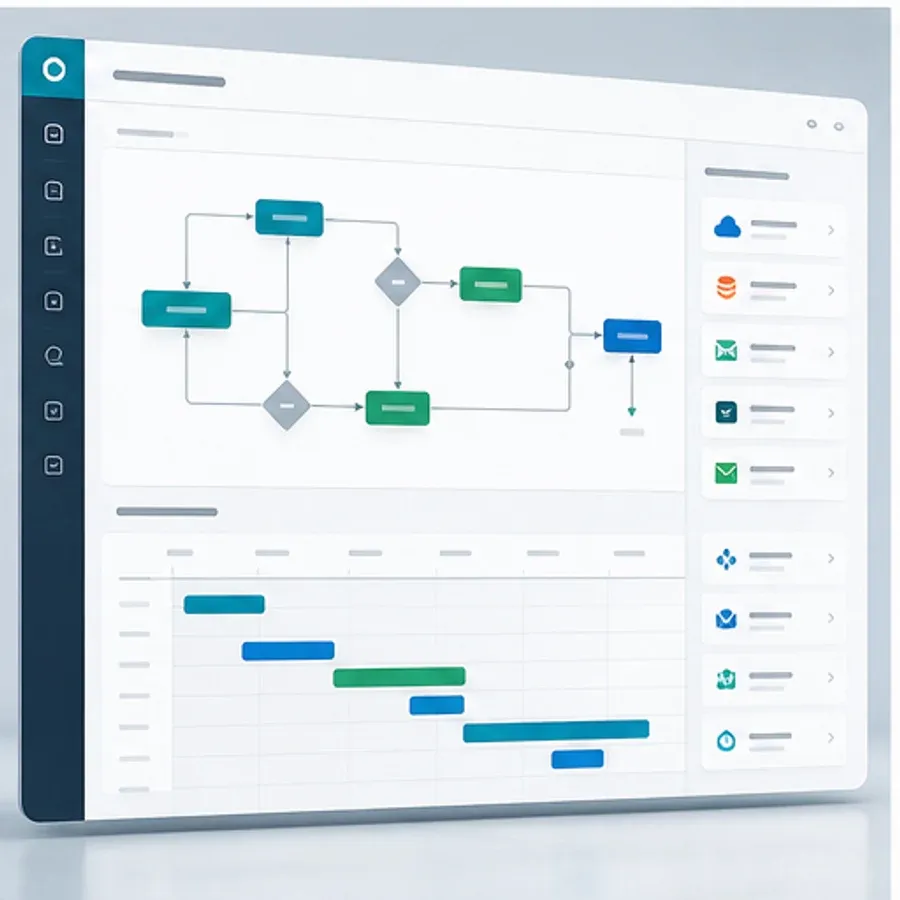
Custom screens focus on the decisions each role needs to make, not decorative complexity.

Each release should improve speed, trust, participation, governance or commercial performance.
Governance
Auction solutions need rules, review paths and operating discipline because trust depends on what happens when the event goes live.
Define launch scope, roadmap scope and non-goals so customization stays commercially useful.
Make every custom workflow testable before it moves into live auction operations.
Protect core auction logic while extending workflows, screens, data and integrations.
Ship usable increments instead of waiting for a large, fragile launch.
Validate access, retention, audit, integration and privacy expectations early.
Use actual user behavior and event outcomes to guide the next development cycle.
Who it helps
The value case is split across business, operations, technology and participant-facing roles so the page avoids generic repetition.
Define what the custom platform must achieve and what can wait.
Clear roadmapTurn repeated manual work into configured flows, useful screens and automation.
Less dragConnect systems without weakening the auction core or creating brittle workarounds.
Stable extensionFund custom development around value drivers, not generic software parity.
Better ROIConnected stack
These pages position Bidvantic as a serious system in the operating environment, not a disconnected bidding widget.
Decision room
Use these answers to pressure-test the custom auction software operating model before configuration begins.
Ask a specific questionNot necessarily. The faster and safer path is to start from Bidvantic's auction foundation, then customize the workflows, integrations and interfaces that truly differentiate your model.
A good custom plan separates launch-critical capabilities, operational improvements and future roadmap ideas. Each release should have clear acceptance criteria and business value.
Yes. Content-rich pages, navigation, FAQs and supporting marketing or operational pages can remain CMS-backed while product workflows are customized separately.
Yes. AI-assisted summaries, bidding guidance, risk indicators and admin support can be introduced after the core data and workflows are reliable.
Usually the areas closest to revenue, governance, user adoption or manual operational workload should come first.
Custom roadmap
We can translate your auction rules, users, integrations and operating constraints into a release-ready customization plan.