
Assess
Map teams, categories, auction objectives, systems, policies, data sensitivity and rollout constraints.
Enterprise Auction Software
Run auction programs across teams, regions, categories and governance requirements with the controls, integrations, visibility and operating discipline enterprise environments expect.

Support permissions, approvals, audit records and role separation across auction programs.
Use forward, reverse, private and marketplace workflows within one enterprise auction foundation.
Standardize how auctions are launched, monitored, reported and improved.
Enterprise control
Bidvantic supports auction programs where procurement, sales, asset recovery, finance, compliance, IT and leadership need confidence in how events are created, accessed, monitored, awarded and reported.
Best fit: large organizations, multi-region groups, regulated environments, enterprise procurement programs and complex asset or supplier ecosystems.Enterprise blueprint
The platform model connects user roles, auction templates, approval routes, audit evidence, integrations, analytics and category-specific configuration into a controllable operating system.
Map your operating modelEnterprise rollout workflow
Each step is designed to keep commercial ambition, platform readiness and operational governance moving together.
Map teams, categories, auction objectives, systems, policies, data sensitivity and rollout constraints.
Define templates, naming, roles, approval routes, content, support process and reporting requirements.
Connect identity, procurement, finance, CRM, document or analytics systems where needed.
Run controlled events to validate user behavior, policy fit, reports and support needs.
Expand across teams and categories using governance, training and measured performance improvement.
Platform depth
The content below is written to support decision makers, operators and technical teams evaluating the solution seriously.
Manage business units, regions, functions, categories and external participants without blurring responsibility.
Standardize event setup for recurring categories while allowing controlled local variation.
Route event launches, bid reviews, awards, exceptions and changes through the right stakeholders.
Support enterprise access requirements including user roles, controlled permissions and SSO-ready planning.
Preserve evidence around event setup, participation, bidding activity, changes and award decisions.
Give leadership and teams visibility into participation, savings, revenue, category response and operational performance.
Connect auction data with ERP, procurement, finance, CRM, document and analytics systems.
Support training, release management, adoption, issue handling and continuous improvement.
Experience design
Each solution page uses visual, workflow and governance sections so the story has depth beyond a basic marketing promise.
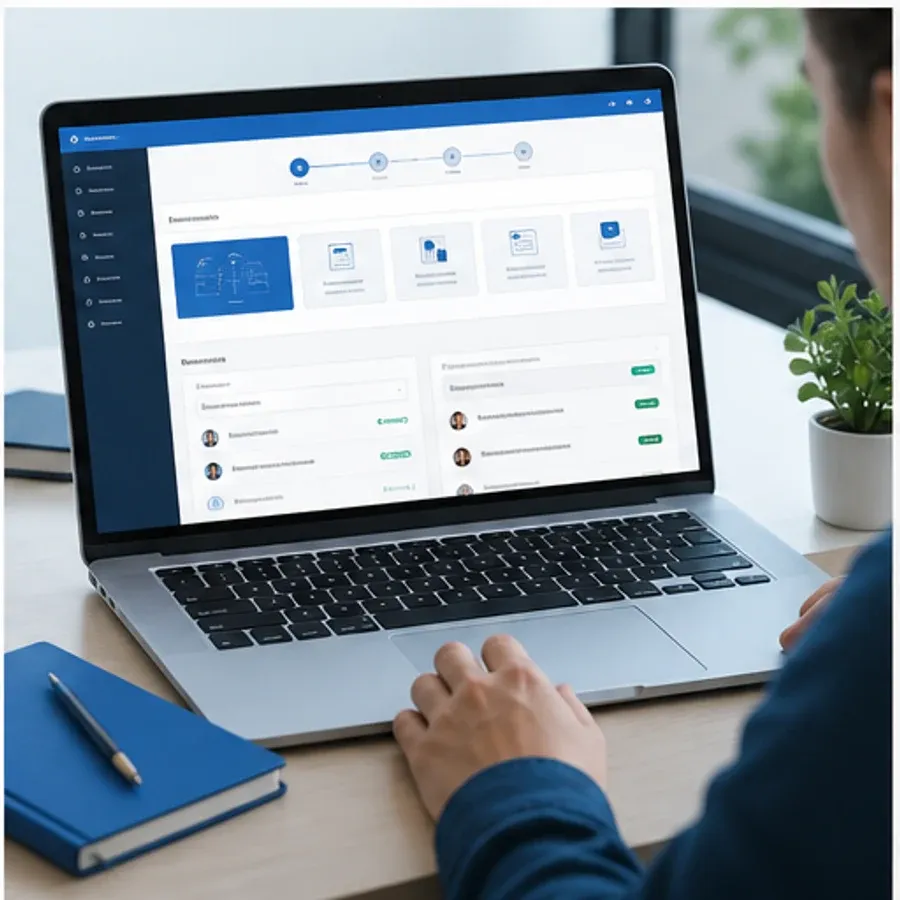
Teams use templates and permissions to create consistent auctions without waiting on central administrators for every detail.
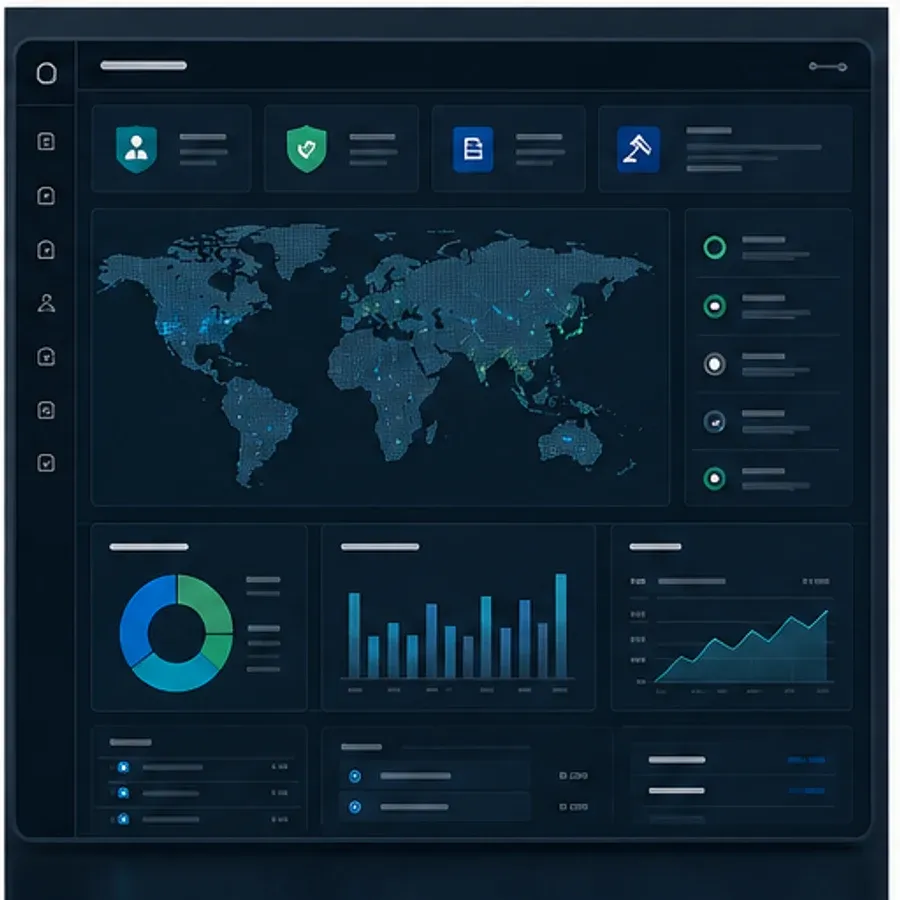
Leaders and category owners can understand auction performance, participation and decision quality.

Internal and external users receive the right access, content, reminders and bidding workflow for their role.
Governance
Auction solutions need rules, review paths and operating discipline because trust depends on what happens when the event goes live.
Define administrators, creators, reviewers, approvers, participants and support roles clearly.
Build reusable auction setup patterns for categories, geographies and business units.
Route launch, change, award and exception decisions through appropriate stakeholders.
Plan how auction records, documents, user data and reports should be stored and reviewed.
Prioritize system connections that reduce manual work or improve audit and reporting quality.
Support training, rollout communications, user feedback and continuous improvement cycles.
Who it helps
The value case is split across business, operations, technology and participant-facing roles so the page avoids generic repetition.
Create supplier competition while maintaining approvals, documentation and award discipline.
Governed savingsUse auction workflows to improve price discovery, transparency and repeatable execution.
Better realizationAlign identity, integrations, environments and security review with enterprise standards.
Technical fitReview adoption, outcomes, risks and category performance across auction activity.
Portfolio visibilityConnected stack
These pages position Bidvantic as a serious system in the operating environment, not a disconnected bidding widget.
Decision room
Use these answers to pressure-test the enterprise auction software operating model before configuration begins.
Ask a specific questionYes. Enterprise programs often need forward auctions, reverse auctions, private events and marketplace workflows under a common governance model.
Approval paths can be designed around event launch, participant access, bid review, award decisions, exceptions and changes.
Yes. Roles, templates, reporting and configuration can be structured around teams, categories, regions or business units.
The platform can support access control, audit trails, documented decisions and permissioned visibility, all of which are important for regulated or policy-heavy environments.
Most enterprise rollouts begin with a focused pilot category or business unit, then expand once templates, support processes and reporting are validated.
Enterprise rollout
We can map your teams, approval model, integrations and rollout sequence into a practical enterprise auction plan.