
Position
Define audience, categories, commercial model, terminology and the promises your auction brand will make.
White Label Auction Platform
Launch a complete auction platform under your own identity while Bidvantic powers the auction engine, bidder experience, admin workflows, governance controls and continuous product evolution behind the scenes.
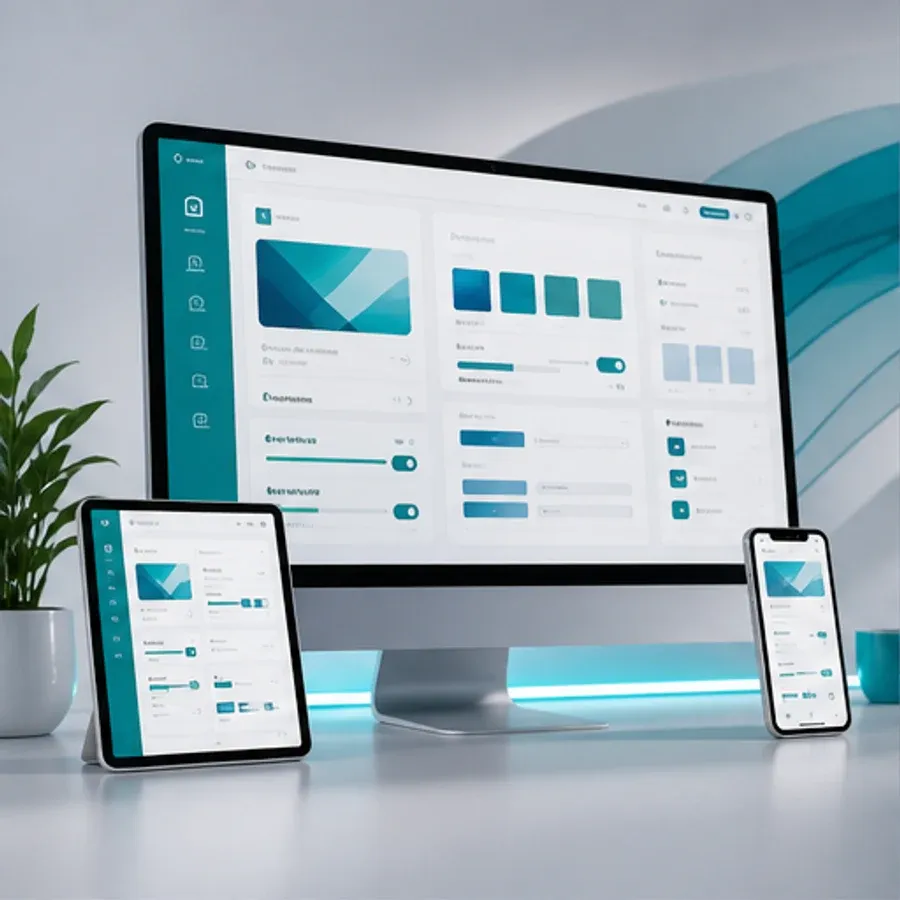
Operate the front-end experience with your own name, language, tone and market positioning.
Support forward auctions, reverse auctions, marketplace workflows and private event patterns.
Start from a mature auction foundation instead of building every capability from scratch.
Market launch
Bidvantic separates market identity from product complexity. Your users see your brand, your promise and your terminology, while the platform handles auction rules, live bidding behavior, access control, notifications, reports and operational visibility.
Best fit: auction ventures, industry platforms, procurement service providers and established brands adding auction revenue.White-label blueprint
The foundation combines identity, bidder journeys, admin management, configurable event types, content, analytics and integrations so your team can focus on market development and customer success.
Map your operating modelLaunch workflow
Each step is designed to keep commercial ambition, platform readiness and operational governance moving together.
Define audience, categories, commercial model, terminology and the promises your auction brand will make.
Apply branding, user roles, auction formats, approval rules, emails, content pages and admin workflows.
Test bidder journeys, seller workflows, payments or invoicing paths, notifications and reporting requirements.
Open controlled events, onboard early users, monitor support signals and tune the operating rhythm.
Add categories, regions, roles, integrations, automations and advanced analytics as your market matures.
Platform depth
The content below is written to support decision makers, operators and technical teams evaluating the solution seriously.
Apply your logo, naming, visual identity, page language and participant communications across the auction journey.
Run the formats your market needs without fragmenting operations across separate tools.
Give your team a central place to manage events, users, approvals, lots, bidder activity and customer support.
Create polished flows for bidder, seller, supplier or buyer onboarding with checks that fit your business.
Support fees, commissions, deposits, bid increments, reserve logic, award controls and pricing rules.
Keep participants informed with branded notifications, event reminders, status changes and operational alerts.
Track event health, participation, revenue, conversion and category performance from launch onward.
Connect identity, CRM, ERP, finance, payment, document and marketplace systems as the platform grows.
Experience design
Each solution page uses visual, workflow and governance sections so the story has depth beyond a basic marketing promise.
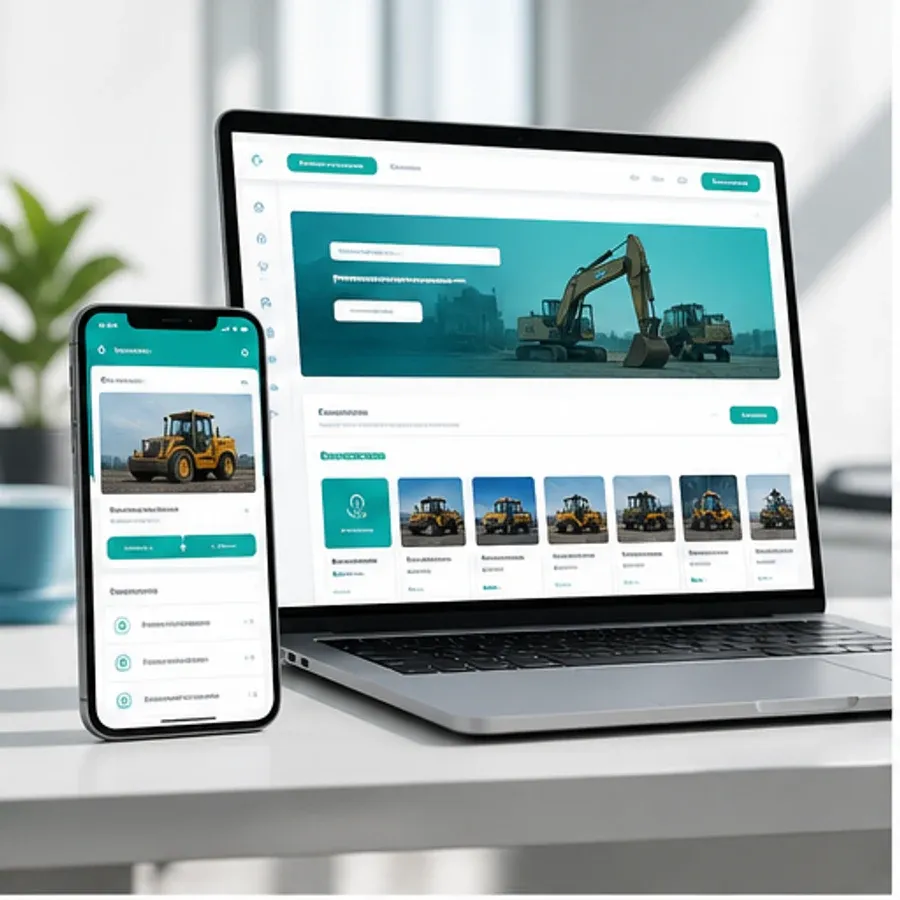
Participants move through discovery, registration, auction review and live bidding without feeling they have left your business ecosystem.
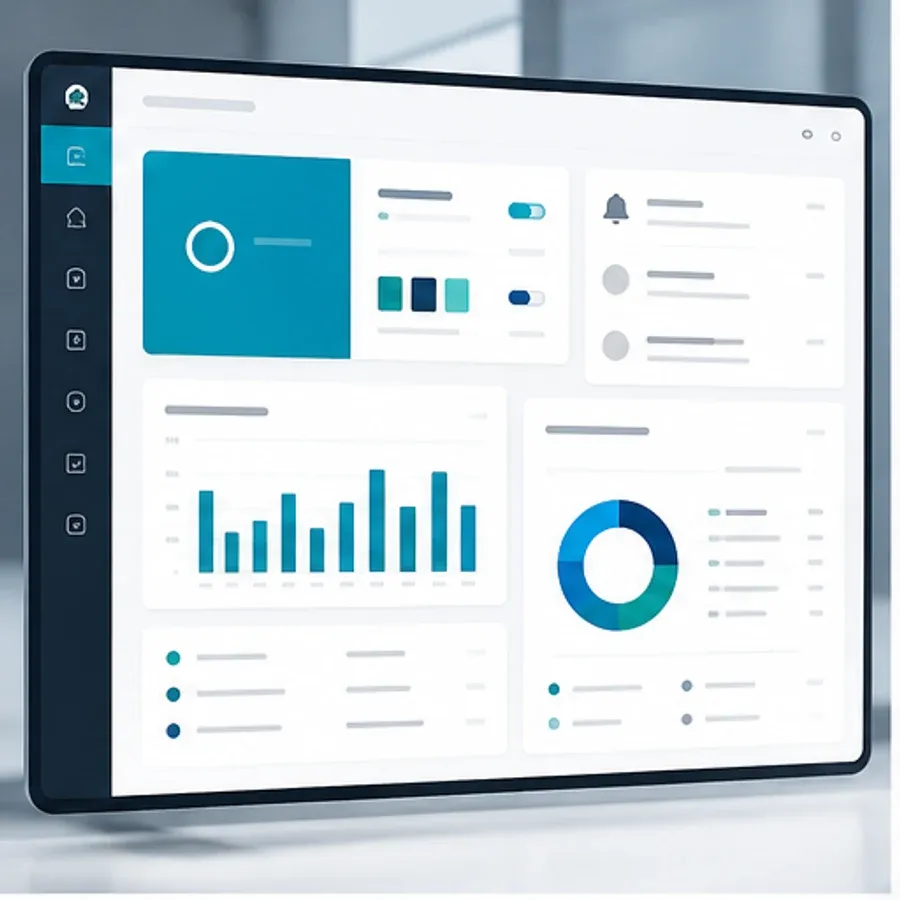
Your internal team gets the practical tools needed to create auctions, manage participants, review activity and resolve exceptions.
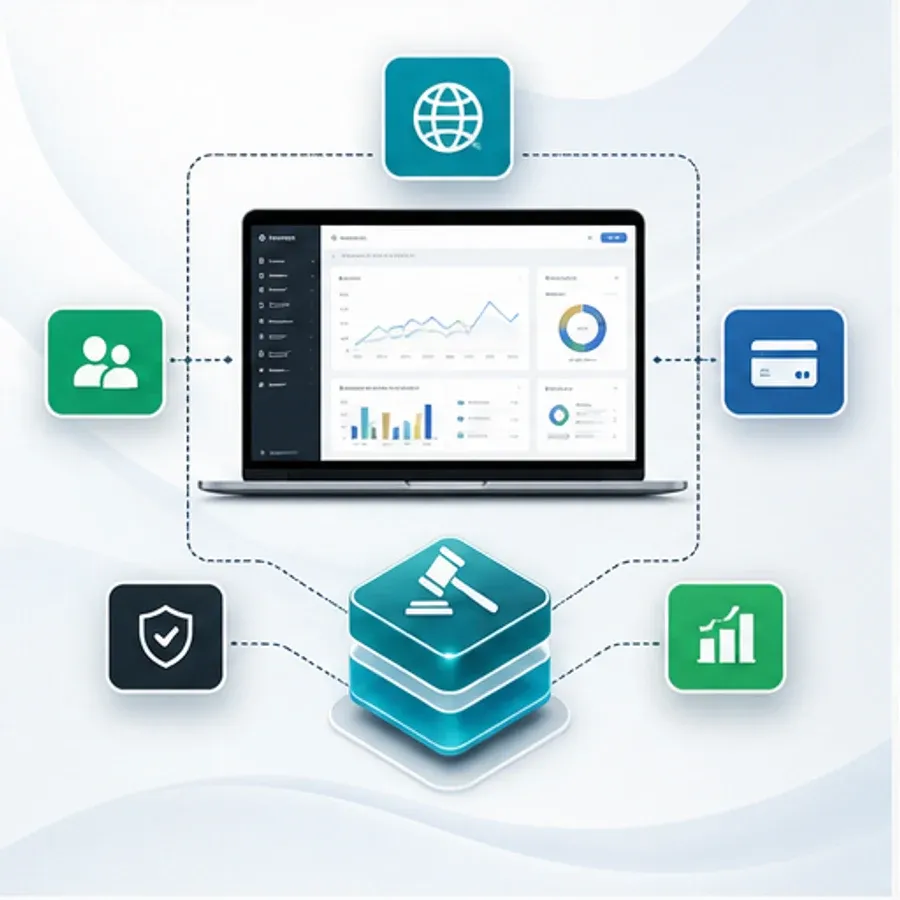
The platform can support multiple categories, private communities, public listings and repeat seller or supplier programs.
Governance
Auction solutions need rules, review paths and operating discipline because trust depends on what happens when the event goes live.
Manage how the platform appears, what language it uses and which brand assets show across pages and communications.
Separate bidder, seller, supplier, buyer, approver, administrator and support-team access cleanly.
Control increments, extensions, visibility, winner selection, reserve logic and event-specific restrictions.
Maintain key site pages, help content, category copy and compliance notes from CMS-backed structures.
Review live activity, completed events, participant behavior, revenue indicators and exception patterns.
Improve workflows, content and automations as market feedback and operational needs become clearer.
Who it helps
The value case is split across business, operations, technology and participant-facing roles so the page avoids generic repetition.
Take a complete auction proposition to market under your identity while Bidvantic supplies the technology depth.
Brand authorityCreate events, manage users, monitor activity and handle exceptions from one governed console.
Execution controlExperience registration, auction details, notifications and bidding as part of your market.
Higher confidenceIntegrate and customize around a stable auction core as commercial needs mature.
Roadmap leverageConnected stack
These pages position Bidvantic as a serious system in the operating environment, not a disconnected bidding widget.
Decision room
Use these answers to pressure-test the white label auction platform operating model before configuration begins.
Ask a specific questionThe market-facing experience can be white-labelled so participants interact with your brand. Bidvantic remains the technology foundation behind the configured workflows, administration and auction engine.
No. The same white-label foundation can support forward auctions, reverse auctions, private auctions, marketplace workflows and hybrid operating models depending on your proposition.
Yes. A sensible launch usually starts with the highest-value event types and operational controls, then expands into integrations, advanced reporting, automation and additional categories.
Yes. The rollout can be planned around your domain, brand system, content model and customer journey so the auction experience feels connected to your wider digital presence.
White-label starts from a complete Bidvantic auction foundation. Custom development goes deeper into unique modules, business logic, integrations or product IP that must be designed specifically for your organization.
White-label launch
Bring your proposition, market, categories and brand expectations. We will map the platform foundation, launch scope and rollout path.