
Approve marketplace participants
Verify sellers, qualify buyers, assign roles and set participation permissions.
How It Works
Bidvantic structures marketplace operations across seller onboarding, listing creation, buyer discovery, bidding, award confirmation, payments, fulfilment and post-transaction analytics.
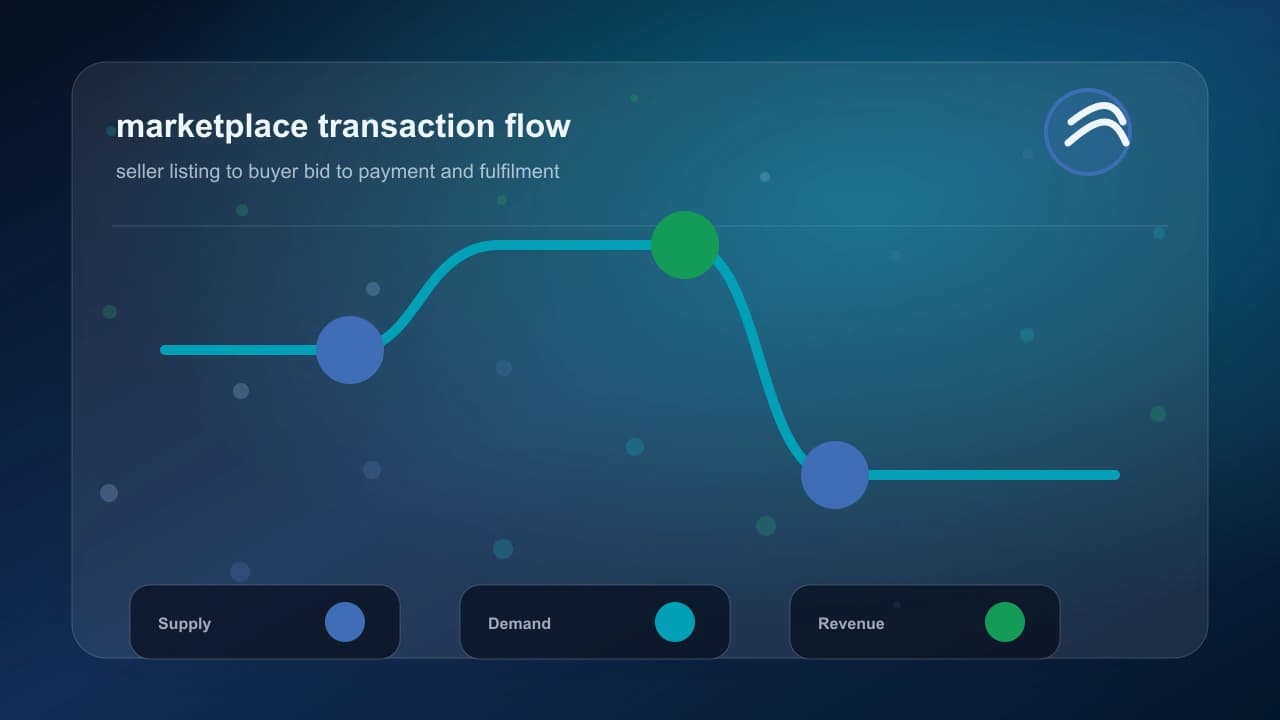
Every participant understands what happens before, during and after auction activity.
Awards, payments, messages and fulfilment status stay connected.
Approvals, exceptions and support workflows live in one operating view.
Each transaction improves category, seller, buyer and revenue decisions.
Marketplace context
Sellers need listing control. Buyers need discovery and confidence. Operators need approval queues, fee rules, payment status and exception handling. Bidvantic connects these steps so the marketplace does not collapse into spreadsheets, chat threads and disconnected payment follow-up. Best fit: teams explaining the marketplace journey to founders, operators, sellers, buyers, investors and implementation stakeholders.
Best fit: teams explaining the marketplace journey to founders, operators, sellers, buyers, investors and implementation stakeholders.Operating blueprint
Bidvantic defines the flow from seller readiness and listing quality through buyer activation, auction participation, transaction confirmation and operational closeout.
Map your operating modelWorkflow
Each stage connects marketplace strategy with participant experience, transaction control and measurable growth.
Verify sellers, qualify buyers, assign roles and set participation permissions.
Create lots with descriptions, images, documents, terms, reserves and category rules.
Use categories, search, watchlists, reminders and campaigns to activate demand.
Apply auction timing, bid rules, winner logic, seller approval and communication workflows.
Track payment, fees, release, fulfilment, dispute handling and performance reporting.
Capabilities
Each capability supports stronger liquidity, better participant trust, cleaner transactions and operator visibility.
Set up sellers, buyers, organizations and internal operators with proper permissions.
Guide sellers or operators through asset content, documents, terms and approval steps.
Help buyers find categories, listings, sellers and events that match intent.
Run auction activity with timing, increments, visibility and winner logic.
Coordinate invoice, fee, payment, release and fulfilment checkpoints.
Capture disputes, payment issues, seller questions and buyer support cases.
Track supply, demand, conversion, GMV, fees and repeat behavior.
Automate reminders, approval routing, listing status and post-sale tasks.
Experience
The experience balances seller quality, buyer confidence, transaction progress, revenue control and marketplace growth signals.
Manage how it works with participant status, listings, auction activity, revenue rules and exceptions in one view.
Give sellers and buyers clear next actions, trustworthy rules, relevant notifications and transaction status.
Review liquidity, conversion, GMV, take rate, participant quality and operational bottlenecks.
Controls
Controls protect marketplace trust, transaction quality, revenue accuracy and participant accountability.
Confirm identity, business status and access rights before marketplace activity.
Prevent weak or non-compliant listings from going live.
Apply timing, increment, reserve and winner rules transparently.
Tie award, invoice, release and payout steps to confirmed status.
Keep support decisions attached to the transaction timeline.
Report seller performance, buyer behavior and marketplace outcomes.
Role impact
Bidvantic keeps operator, seller, buyer and leadership needs aligned in one marketplace workflow.
Use how it works to coordinate participants, listings, auctions, revenue rules and transaction evidence.
Governed operationsPublish stronger listings, understand sale status, manage obligations and improve buyer confidence.
Higher supply qualityFind relevant opportunities, understand rules, bid with clarity and complete transactions with fewer gaps.
Better participationReview liquidity, GMV, take rate, conversion, seller quality and operational performance.
Growth intelligenceConnected marketplace flow
These connections help marketplace activity move from discovery and bidding into completed, reportable transactions.
Decision room
Use these answers to pressure-test the how it works operating model before configuration begins.
Ask a specific questionSellers publish approved listings, buyers discover and bid, the platform confirms outcomes, and operators manage payment, fees and fulfilment.
Marketplace operators can define listing requirements, approval gates and moderation workflows.
Yes. Buyer discovery can include categories, watchlists, saved searches, seller pages and notifications.
Closeout usually includes winner confirmation, invoice or payment, fee calculation, release, delivery or pickup and reporting.
Yes. Many listing, alert, approval, payment and closeout actions can be automated with governance controls.
Marketplace planning
Bring your category focus, seller model, buyer journey, fee rules, payment requirements and growth goals. We will map the right auction marketplace workflow.