
Discover
Map stakeholders, event types, data sources, risks and launch priorities.
Enterprise overview
Bidvantic helps large teams run forward auctions, reverse auctions, private events and marketplace workflows with the controls, integrations, approval paths and operating evidence expected by enterprise stakeholders.

Forward, reverse, marketplace and private auction programs can sit inside one enterprise operating frame.
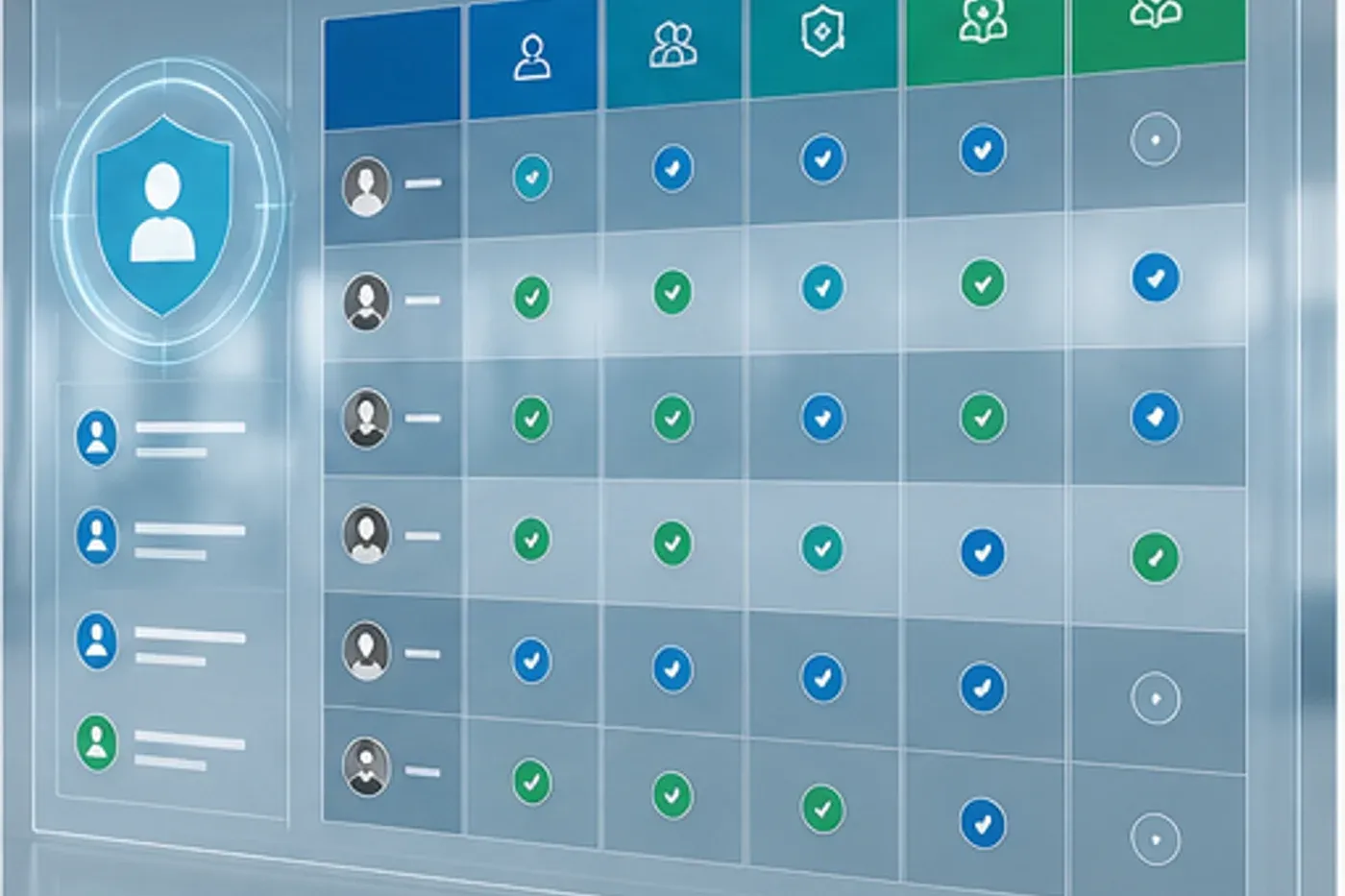
Auction authority follows business responsibility, not a loose administrator list.
Identity, finance, procurement and reporting touchpoints are planned into the platform design.
Executives can compare adoption, value and risk across auction programs without losing operational detail.
Enterprise context
Serious auction operations involve identity, data, commercial rules, business approvals, integration handoffs, support paths and executive reporting. Bidvantic gives those moving parts one configurable product foundation.
Best fit: multi-team, multi-model and compliance-sensitive auction programs.Operating blueprint
The platform is assembled around business units, event types, users, documents, approval powers, reporting needs and connected systems.
Map your operating modelWorkflow
Each stage connects platform configuration with the people, evidence and handoffs needed for serious auction programs.
Map stakeholders, event types, data sources, risks and launch priorities.
Configure roles, templates, visibility rules, workflows and reporting needs.
Connect identity, finance, procurement, CRM, ERP and operational systems.
Test event paths, permissions, data handling, edge cases and acceptance criteria.
Roll out across teams, regions or auction models with reusable governance.
Capabilities
The page is built around practical operating needs rather than generic feature language.
Run different auction motions without splitting governance into separate tools.
Define responsibilities by business unit, geography, department or transaction authority.
Control timing, increments, reserves, visibility, approvals and exceptions per event type.
Route launches, awards, overrides and exceptions to the right owners before action.
Track event performance, participation, savings, recovery value and operational health.
Plan APIs, webhooks and data exchange around the systems your teams already use.
Preserve material actions, decisions and timestamps across the auction lifecycle.
Align environments, hosting, security review, monitoring and support ownership.
Experience
Enterprise pages use fresh imagery and distinct content while keeping the same rich page rhythm across the sitemap.
Leadership sees value, risk and adoption without stepping into operational detail.

Administrators can configure events, participants, documents and decisions from one workspace.
Buyers, suppliers and sellers get clear rules, notifications and guided workflows.
Controls
These controls help business, technology and operations teams agree how the platform should behave before scale.
Assign accountability for templates, policies, event approvals and reporting.
Separate records by organization, team, market, role or event sensitivity.
Capture who approved, what changed and why a decision moved forward.
Validate launch criteria, support paths, monitoring and recovery procedures.
Manage configuration updates, release windows and accepted exceptions.
Use program reporting to refine event design and expansion priorities.
Roles
A strong enterprise rollout names responsibility clearly across business, technology and operational teams.
Sets outcomes, investment guardrails and adoption priorities.
Decision authorityTranslates business needs into templates, rules and rollout scope.
Configuration leadReview architecture, access, integrations, data handling and monitoring.
Risk controlRun events, manage participants and close transaction workflows.
Daily executionConnected systems
Integration needs vary by customer, but the same planning discipline applies across enterprise auction programs.
Decision room
Use these answers to pressure-test the enterprise operating model before configuration begins.
Ask a specific questionEnterprise readiness comes from configurable roles, governance workflows, audit trails, integration planning, deployment controls and support for multiple auction models.
Yes. Bidvantic can structure permissions, templates, data boundaries and reporting around business units, departments, regions or brands.
No. Enterprise programs can include forward auctions, reverse auctions, marketplaces, private events and multi-round workflows.
Yes. Integration planning can include identity, ERP, CRM, procurement, finance, analytics, notifications and operational systems.
Start with a clear operating model, pilot event type, stakeholder map, integration assumptions and acceptance criteria before scaling across more teams.
Next step
Bring your auction model, stakeholder roles, system landscape and governance requirements. We will shape the right Bidvantic foundation around it.