
Define decision rights
Document who can create, edit, publish, pause, award and close events.
Governance
Bidvantic helps enterprise teams turn auction policy into visible workflows: who can launch events, approve participants, adjust rules, accept awards, handle exceptions and close the record.

Launch, reserve, award and exception rules become part of the auction operating model.
Every material step can be tied to a business, legal, finance or operations owner.
Overrides and non-standard decisions carry the context needed for later review.
Program reporting translates auction activity into a governance story stakeholders can use.
Enterprise context
When bids are moving and deadlines are close, teams need more than good intentions. Bidvantic gives launch, participation, rule, award and closeout decisions structured ownership and reviewable evidence.
Best fit: enterprise sourcing, regulated disposal, public-sector events and high-value private markets.Operating blueprint
Decision rights, approval paths and exception handling are configured around the auction model and risk level.
Map your operating modelWorkflow
Each stage connects platform configuration with the people, evidence and handoffs needed for serious auction programs.
Document who can create, edit, publish, pause, award and close events.
Add approvals before sensitive launch, rule change or award actions.
Apply visibility, timing, eligibility and intervention rules during live activity.
Capture approvals and reasons for unusual actions or departures.
Use records to improve templates, controls and operating accountability.
Capabilities
The page is built around practical operating needs rather than generic feature language.
Route material actions to finance, legal, operations or leadership.
Standardize rules by auction type, market, category or risk level.
Separate creation, bidding oversight, award recommendation and final approval.
Capture overrides, late changes, disqualifications and re-awards with notes.
Make relevant rules visible to operators and participants at the right moments.
Use reporting to compare adoption, cycle time, value and compliance signals.
Control files, versions, addenda and bidder acknowledgements in the process.
Preserve award, payment, release, contract or purchase handoff evidence.
Experience
Enterprise pages use fresh imagery and distinct content while keeping the same rich page rhythm across the sitemap.
Approvers see the relevant context before accepting a recommendation.

Operators work inside configured templates instead of one-off improvisation.
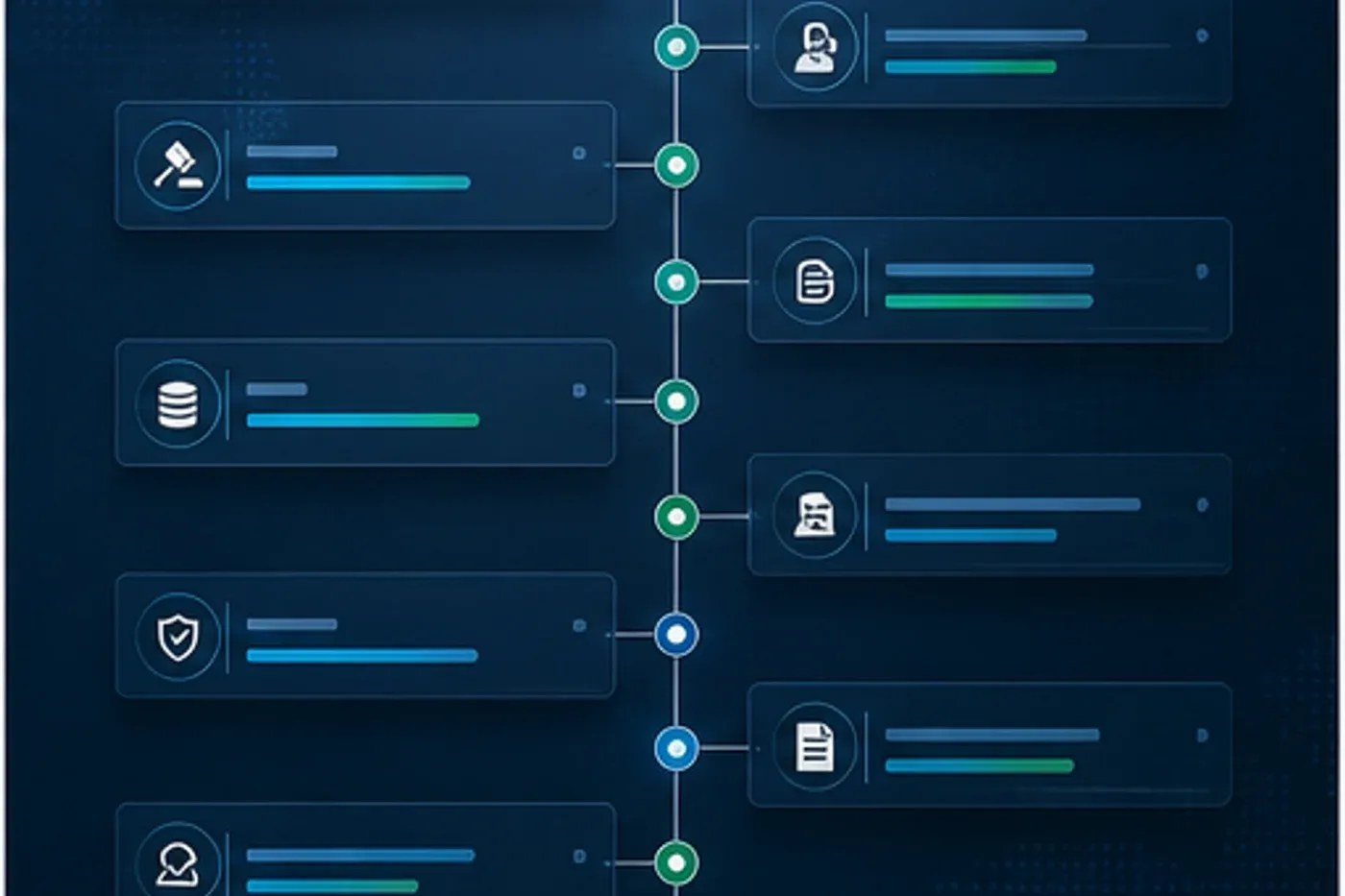
Unusual decisions are documented while the context is fresh.
Controls
These controls help business, technology and operations teams agree how the platform should behave before scale.
Require approval before publishing high-value or sensitive events.
Control who can change bidding format, visibility, reserve or timing.
Screen bidders, suppliers or sellers before sensitive access.
Separate bid recommendation from final acceptance.
Record reasons and approvals for departures from standard workflow.
Use governance data to refine templates and accountability.
Roles
A strong enterprise rollout names responsibility clearly across business, technology and operational teams.
Defines rules, thresholds and decision rights.
Policy controlAccepts launches, awards or exceptions based on evidence.
Decision gateRuns events within configured boundaries.
ExecutionReviews records and program performance after the event.
OversightConnected systems
Integration needs vary by customer, but the same planning discipline applies across enterprise auction programs.
Decision room
Use these answers to pressure-test the governance operating model before configuration begins.
Ask a specific questionYes. Approval rules, templates and visibility settings can differ by forward auction, reverse auction, marketplace or private event.
Yes. Winning bids or sourcing outcomes can be routed through approval before final confirmation.
Yes. Overrides, late changes, disqualifications and re-awards can include notes, owners and timestamps.
Good governance should clarify decisions. Templates and approval paths reduce uncertainty during high-pressure moments.
Yes. Program reporting can show event activity, outcomes, exceptions and operational performance.
Next step
Bring your auction model, stakeholder roles, system landscape and governance requirements. We will shape the right Bidvantic foundation around it.