
List actors
Identify internal roles, external participants, reviewers and support users.
Access control
Bidvantic helps enterprise auction teams define who can see, create, approve, bid, manage, export and administer each part of the auction lifecycle.
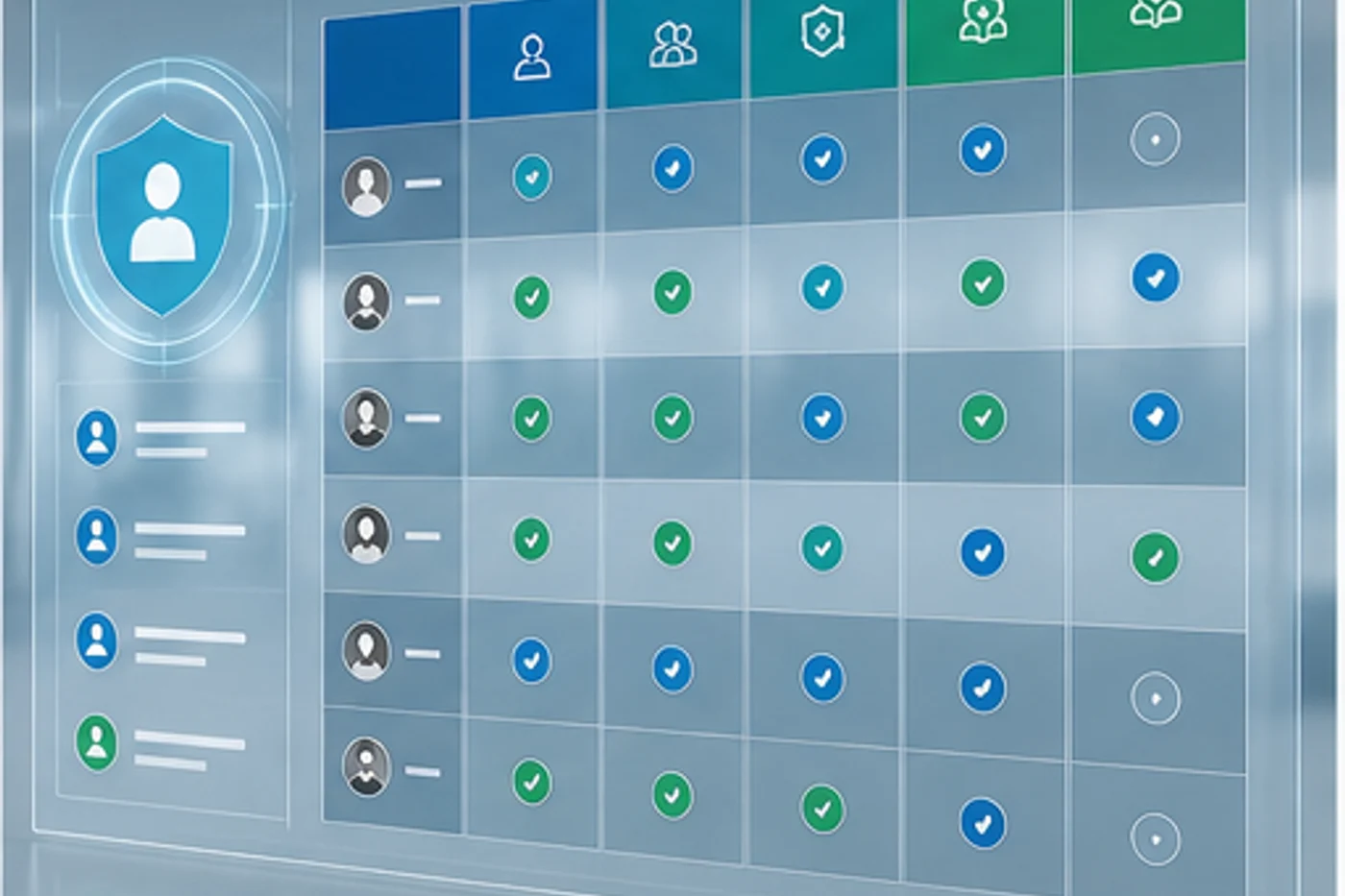
Permissions are shaped around actual auction jobs such as sponsor, operator, approver and viewer.
Access can narrow by event, lot group, organization, team or market boundary.
Publishing, pausing, approving, exporting and overriding can each require distinct authority.
Teams can inspect who holds sensitive powers before launch and after program changes.
Enterprise context
Every event has administrators, bidders, suppliers, sellers, approvers, support users and observers. Bidvantic structures their permissions around visibility, action rights and accountability.
Best fit: teams with many internal users, private events, sensitive documents or multi-organization markets.Operating blueprint
Permissions can reflect participant type, event ownership, department, geography, document sensitivity and administrative authority.
Map your operating modelWorkflow
Each stage connects platform configuration with the people, evidence and handoffs needed for serious auction programs.
Identify internal roles, external participants, reviewers and support users.
Separate records by organization, event, market, team or sensitivity.
Set who can view, bid, approve, configure, export or override.
Test user journeys and restricted actions before launch.
Inspect roles and exceptions as the program expands.
Capabilities
The page is built around practical operating needs rather than generic feature language.
Model administrators, operators, approvers, participants and observers.
Limit access to the auctions, lots or sourcing events a user should handle.
Restrict sensitive files and acknowledgements to eligible users.
Protect publish, pause, award, export, override and configuration powers.
Separate recommendation, review and final decision permissions.
Grant event access after registration, checks, deposits or approval.
Help teams inspect assigned roles and sensitive permissions.
Align access control with enterprise identity and user lifecycle where needed.
Experience
Enterprise pages use fresh imagery and distinct content while keeping the same rich page rhythm across the sitemap.
Users see the tools and records that match their responsibility.

External users move through registration and approval before sensitive access.
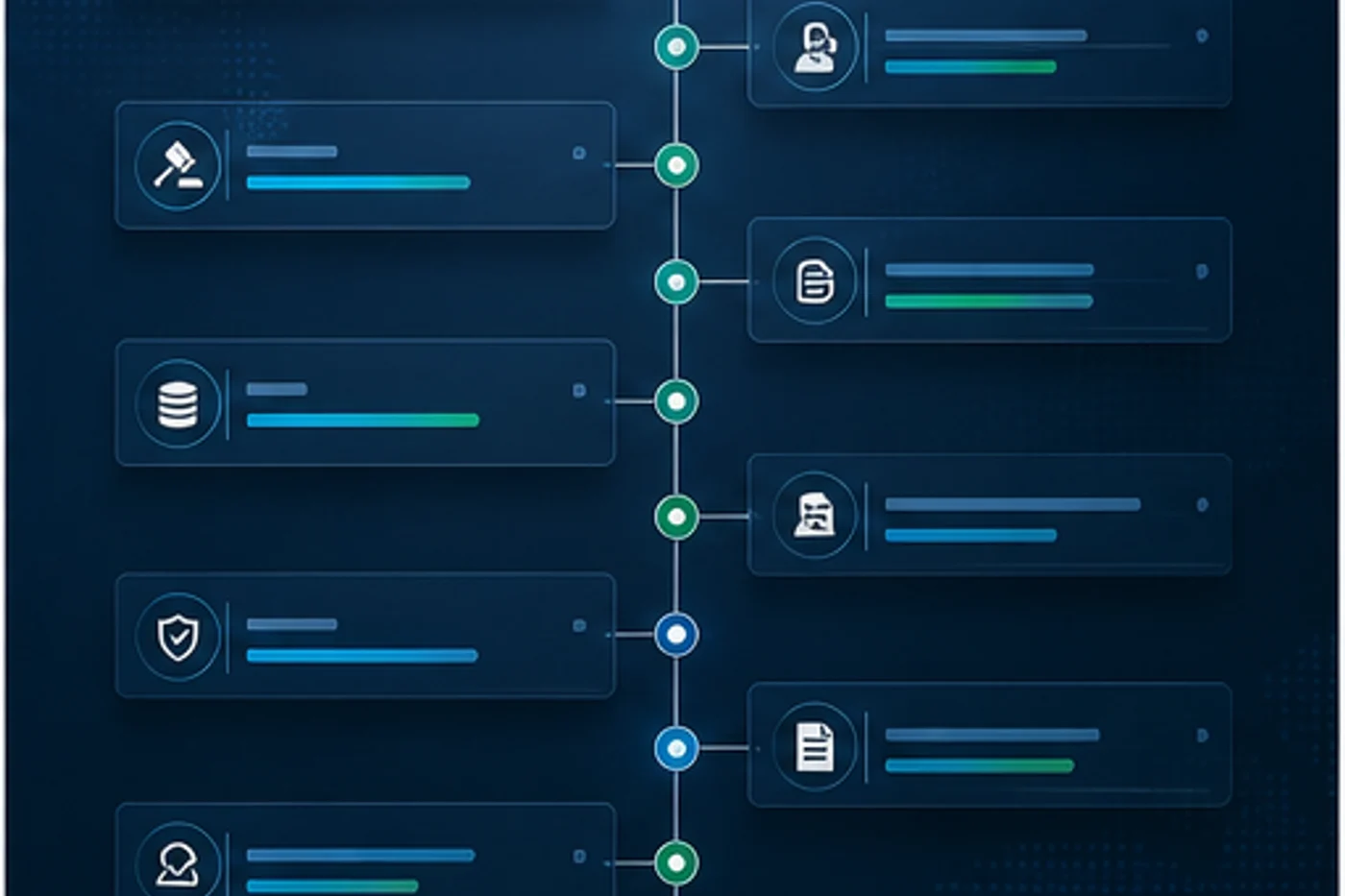
Teams can inspect how roles and permissions shape auction activity.
Controls
These controls help business, technology and operations teams agree how the platform should behave before scale.
Avoid broad access where scoped responsibility is enough.
Separate administration, approval, review and participant actions.
Restrict files by eligibility, role and event need.
Protect bidder, supplier, bid and award reports from broad extraction.
Define how users are added, changed and removed.
Review privileged roles and exceptions as the program grows.
Roles
A strong enterprise rollout names responsibility clearly across business, technology and operational teams.
Manages configuration and user access within defined authority.
Admin scopeRuns events, lots, participants and communications.
Event scopeReviews launch, award or exception actions.
Approval scopeParticipates only in approved event workflows.
Event accessConnected systems
Integration needs vary by customer, but the same planning discipline applies across enterprise auction programs.
Decision room
Use these answers to pressure-test the access control operating model before configuration begins.
Ask a specific questionYes. Access can vary by event, participant type, role, organization, team or configured eligibility.
Yes. Export and reporting permissions can be restricted to approved roles.
Yes. Decision authority can be separated from event setup and operational execution.
Yes. External participants can see only the event, documents and actions allowed by their eligibility and role.
Enterprise identity integration can be planned as part of the implementation architecture.
Next step
Bring your auction model, stakeholder roles, system landscape and governance requirements. We will shape the right Bidvantic foundation around it.