
Inventory data
Identify what personal, commercial and operational data is collected.
Data privacy
Bidvantic helps teams plan how bidder data, supplier records, commercial submissions, documents, auction activity and reporting outputs should be structured, limited and retained.
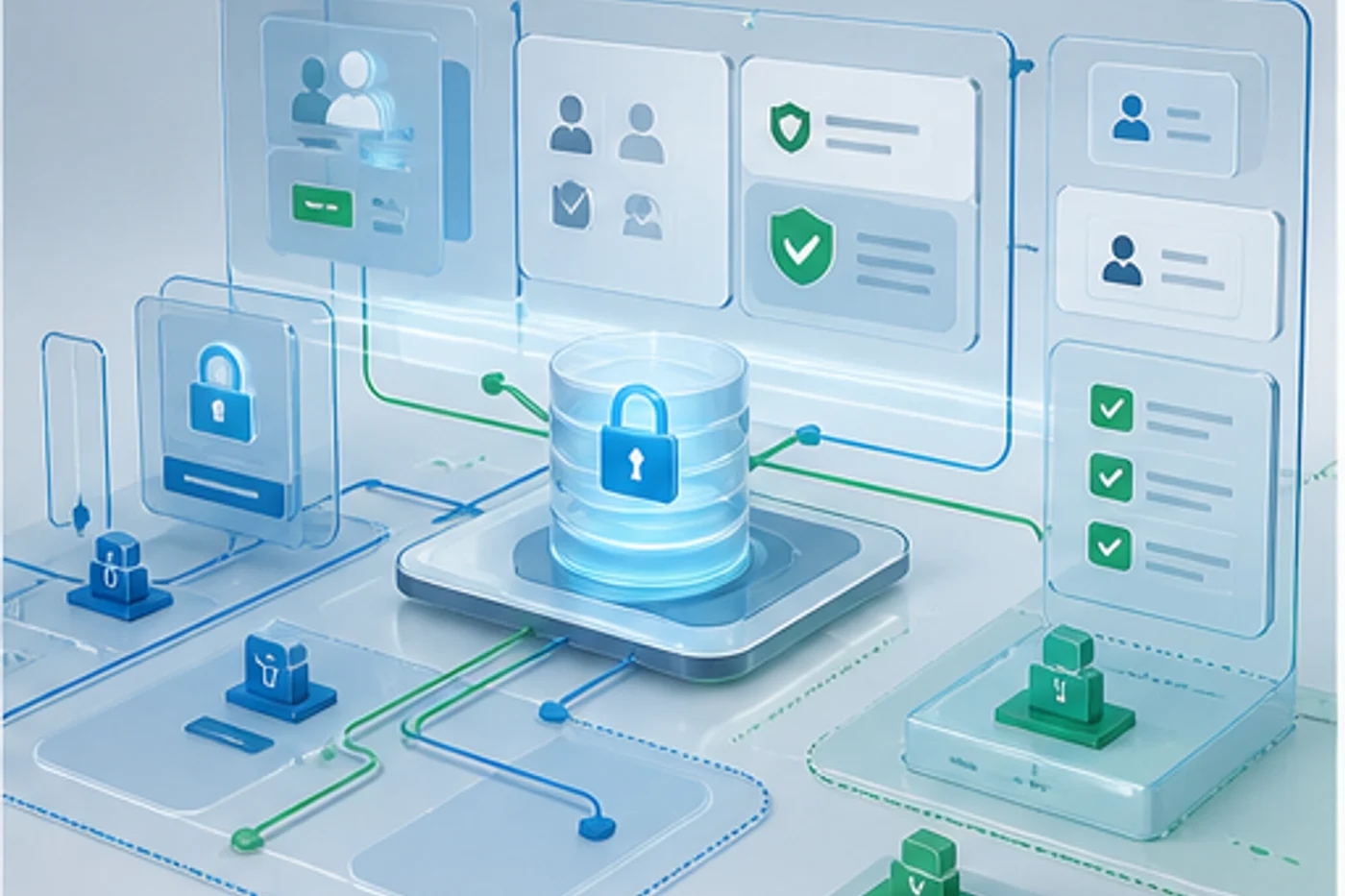
Bidder profiles, supplier submissions, documents and award records are separated by sensitivity.
Auction data is collected and displayed around the workflow purpose that justifies access.
Downloads, reports and integration feeds can be limited to approved roles and use cases.
Operational evidence and privacy-sensitive records can follow a defined retention approach.
Enterprise context
A competitive event may hold identity records, pricing, deposits, technical files, supplier responses, legal documents and award evidence. Bidvantic structures this information around controlled access and operational purpose.
Best fit: sensitive procurement, private sale, regulated disposal and multi-party marketplace programs.Operating blueprint
Data is organized by event, participant, document, role, transaction and reporting requirement so access can be limited with intent.
Map your operating modelWorkflow
Each stage connects platform configuration with the people, evidence and handoffs needed for serious auction programs.
Identify what personal, commercial and operational data is collected.
Connect each data field to registration, bidding, approval, reporting or closeout.
Limit visibility by participant, team, event sensitivity and business owner.
Plan export, API and reporting access around approved use cases.
Align evidence retention with operational, legal and governance expectations.
Capabilities
The page is built around practical operating needs rather than generic feature language.
Limit records by organization, event, participant type or internal team.
Protect sensitive files, acknowledgements and due-diligence packs.
Control who can export bidder, supplier, bid, award and reporting data.
Decide which data should move to ERP, CRM, procurement, finance or BI.
Produce operational insight without unnecessary exposure of sensitive data.
Preserve needed evidence while avoiding uncontrolled data sprawl.
Use clear registration, document and event acknowledgement flows.
Help teams inspect who can access sensitive auction information.
Experience
Enterprise pages use fresh imagery and distinct content while keeping the same rich page rhythm across the sitemap.
Users only see information connected to their approved event role.

System connections can be planned around specific approved fields.
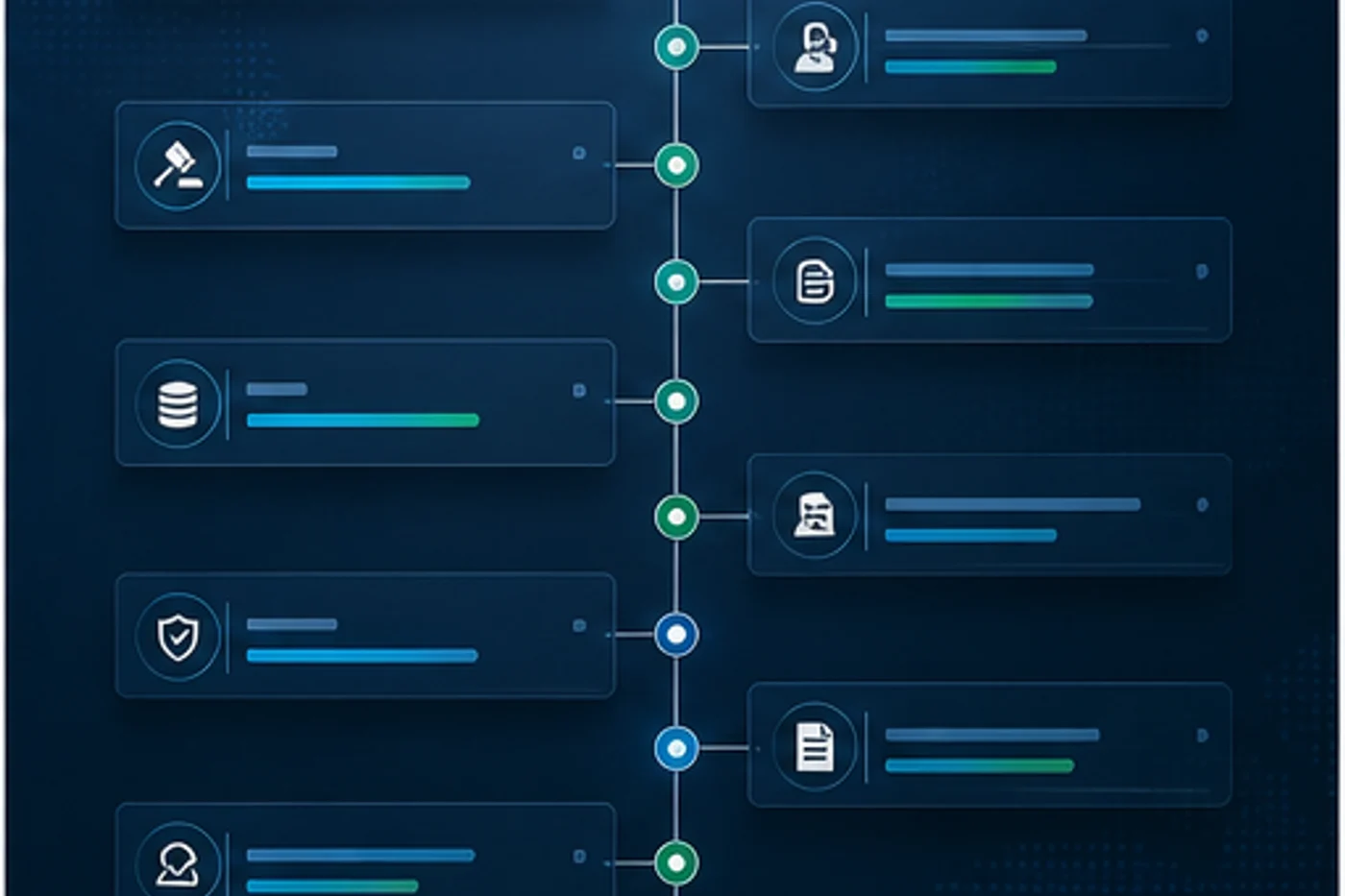
Reports can support decisions while respecting data boundaries.
Controls
These controls help business, technology and operations teams agree how the platform should behave before scale.
Separate identity, bids, documents, financial records and operational data.
Restrict who can view participant identities, prices, documents and awards.
Control report, file and data extraction rights.
Move only the data each connected system needs.
Plan how long auction records and evidence should remain accessible.
Include data owners and compliance reviewers before production launch.
Roles
A strong enterprise rollout names responsibility clearly across business, technology and operational teams.
Defines sensitivity, access boundaries and retention expectations.
Policy inputReviews purpose, data sharing and evidence needs.
GovernanceControls integration, storage and environment responsibilities.
ImplementationUse approved data views to run events without unnecessary exposure.
ExecutionConnected systems
Integration needs vary by customer, but the same planning discipline applies across enterprise auction programs.
Decision room
Use these answers to pressure-test the data privacy operating model before configuration begins.
Ask a specific questionYes. Access can be scoped by role, event, organization, team and configured eligibility rules.
Yes. Export rights can be limited to approved users and aligned with reporting or operational needs.
No. Views can differ for administrators, bidders, suppliers, sellers, approvers and support users.
Yes. Integration planning should define which fields move, why they move and which system owns them.
No software alone guarantees compliance. Bidvantic provides configurable controls that should be mapped to your policies and legal obligations.
Next step
Bring your auction model, stakeholder roles, system landscape and governance requirements. We will shape the right Bidvantic foundation around it.