
Frame
Define the audience, emotional tone, credibility markers and commercial value the auction experience must communicate.
Branded Auction Platform
Create a polished auction experience that expresses your brand, guides participants clearly and supports the operational discipline needed for serious bidding programs.

Make the auction journey feel deliberate, trustworthy and recognizably yours.
Use clear flows, content and signals to reduce uncertainty before bidding.
Match how your team launches, supervises and reports on auctions.
Brand experience
Bidvantic lets your brand carry the experience while the platform supports registration, event discovery, auction rules, live activity, reminders, user roles, reporting and governance. The result feels like a purpose-built auction destination instead of a generic bidding tool.
Best fit: premium auction operators, industry marketplaces, enterprise programs and brands where trust directly affects bidder participation.Experience blueprint
Every visible touchpoint should help participants understand what is being offered, why the process is credible, how bidding works and what action they should take next.
Map your operating modelBrand-to-bid workflow
Each step is designed to keep commercial ambition, platform readiness and operational governance moving together.
Define the audience, emotional tone, credibility markers and commercial value the auction experience must communicate.
Map discovery, registration, document review, watchlists, live bidding, award notices and post-event communication.
Add content, verification, terms, FAQs, support prompts and transparency signals that reduce hesitation.
Give staff the admin workflows needed to publish, supervise, communicate and resolve issues quickly.
Use event analytics, support questions and bidder behavior to refine the next auction cycle.
Platform depth
The content below is written to support decision makers, operators and technical teams evaluating the solution seriously.
Apply visual identity, tone, labels and interaction patterns across the platform experience.
Present categories, lots, eligibility and event status in a way that helps users move naturally toward participation.
Use FAQs, terms, process notes and support prompts to remove bidder doubts before the event opens.
Support desktop and mobile journeys for browsing, registration, reminders and bidding.
Give the team control over auction setup, content readiness, lot details and launch status.
Send branded confirmations, reminders, bid alerts, status changes and post-event messages.
Measure engagement, registration, bidding intensity, category response and conversion.
Add private events, new brands, categories, regions or business units without losing operational consistency.
Experience design
Each solution page uses visual, workflow and governance sections so the story has depth beyond a basic marketing promise.

Visitors understand the category, value proposition and trust model before they register or bid.
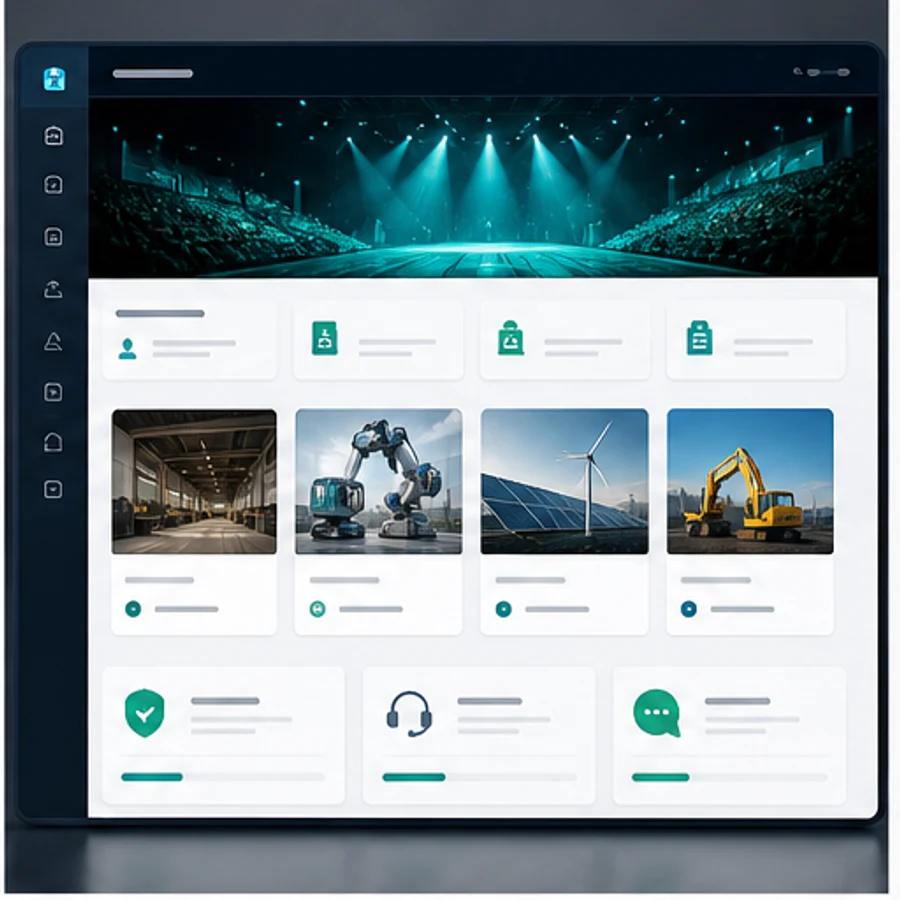
Documents, rules, deadlines, increments and support prompts are arranged around action, not clutter.
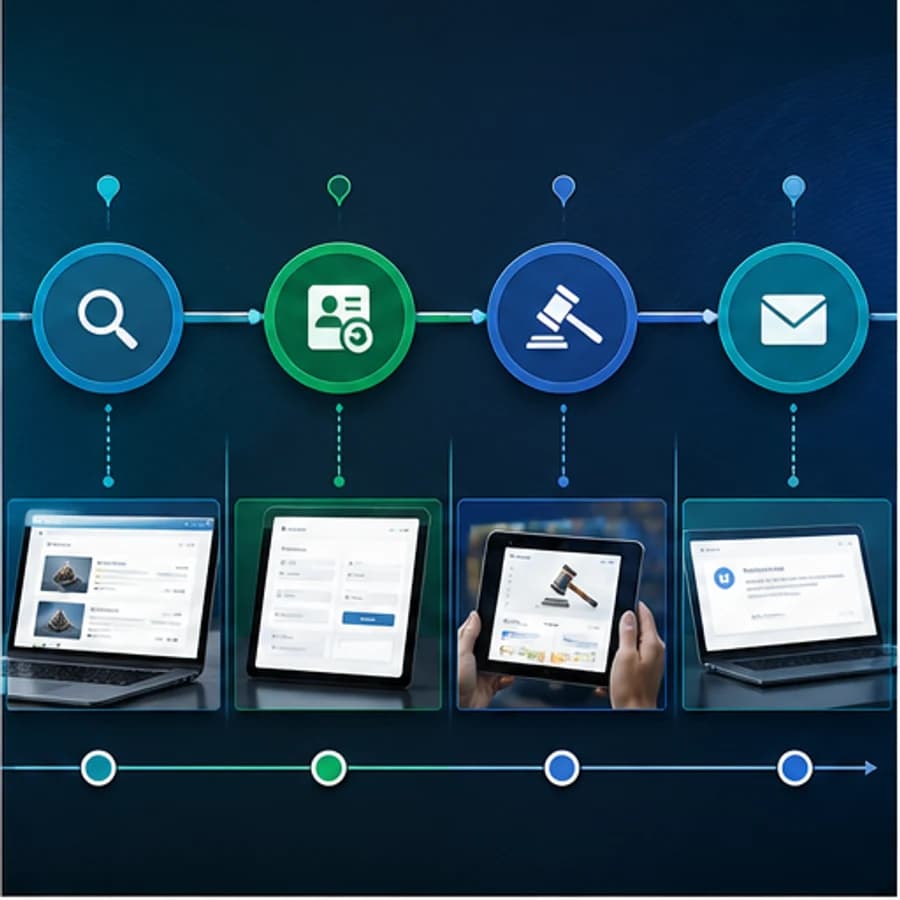
Teams can coordinate launch, participant support, messaging and reporting from a practical admin workflow.
Governance
Auction solutions need rules, review paths and operating discipline because trust depends on what happens when the event goes live.
Keep product names, labels, page content and messaging aligned with brand expectations.
Publish process notes, eligibility rules, document requirements and support pathways visibly.
Tune discovery, registration, watchlists, reminders, bidding actions and post-event flow.
Ensure user roles, approvals and audit records protect the brand while auctions move quickly.
Track participant questions, drop-offs, engagement and bidding behavior to improve the experience.
Plan how the brand can support more categories, event types and audience segments over time.
Who it helps
The value case is split across business, operations, technology and participant-facing roles so the page avoids generic repetition.
Present trust, value and urgency in a way that supports conversion without hype.
Stronger positioningPublish auctions, review readiness, monitor bidder activity and resolve participant issues.
Cleaner executionUse consistent controls and reporting to expand auctions without compromising quality.
Brand assuranceMove from discovery to registration to bidding with fewer doubts and clearer context.
Better participationConnected stack
These pages position Bidvantic as a serious system in the operating environment, not a disconnected bidding widget.
Decision room
Use these answers to pressure-test the branded auction platform operating model before configuration begins.
Ask a specific questionWhite-label is often about operating an auction platform under your own brand. A branded auction platform emphasizes the complete market-facing experience: trust, content, design, journeys, messaging and reputation.
Yes. Clear branding, process transparency and participant guidance can reduce hesitation and support stronger engagement, especially when auction items or sourcing events involve high-value decisions.
Yes. Categories can have tailored content, imagery, eligibility language, document requirements and calls to action while still using one governed platform foundation.
Yes. The front-end experience remains polished while the back-end gives operators the workflows needed to manage users, events, communications and reporting.
Yes. Many branded platforms begin with configured journeys and later add custom modules, integrations or data experiences that reflect the business model more deeply.
Brand-led auctions
We can map the experience architecture, brand moments, workflows and operating controls needed for your market.