
Classify data
Identify sensitive users, bids, documents, commercial terms and system integrations.
Security
Bidvantic is designed for auction programs where pricing, bidder identity, supplier responses, approvals and transaction records must be protected by clear access, validation and operational security controls.

Every sensitive auction workspace starts with clear user identity and eligibility checks.
Critical bid, award and configuration actions are validated beyond the browser screen.
Users receive only the views, records and powers needed for their exact auction responsibility.
Security-relevant activity is captured so teams can investigate exceptions with context.
Enterprise context
Security is not a cosmetic login screen. It touches identity, participant eligibility, bid actions, documents, administrative powers, integrations, data retention and operational support.
Best fit: private markets, procurement, enterprise disposal and regulated bidding programs.Operating blueprint
Bidvantic keeps access, validation, records and monitoring aligned from participant onboarding through award and closeout.
Map your operating modelWorkflow
Each stage connects platform configuration with the people, evidence and handoffs needed for serious auction programs.
Identify sensitive users, bids, documents, commercial terms and system integrations.
Define what each role can view, change, approve and export.
Validate bidding, approval, release and administration actions through controlled rules.
Track exceptions, privileged actions and operational signals.
Use audit outputs and access reviews to improve the control model.
Capabilities
The page is built around practical operating needs rather than generic feature language.
Control visibility and action rights across participants, admins and approvers.
Protect bidding, reserve changes, award approvals and sensitive configuration updates.
Restrict legal packs, technical files, supplier documents and private attachments.
Use registration, deposits, qualification and approval steps before participation.
Capture material changes, admin actions and exceptions in reviewable form.
Plan authentication, permissions, validation and ownership for connected systems.
Separate configuration, testing, production readiness and release access.
Prepare support, escalation and incident evidence around critical auctions.
Experience
Enterprise pages use fresh imagery and distinct content while keeping the same rich page rhythm across the sitemap.
Operators work inside defined permissions without broad unrestricted access.
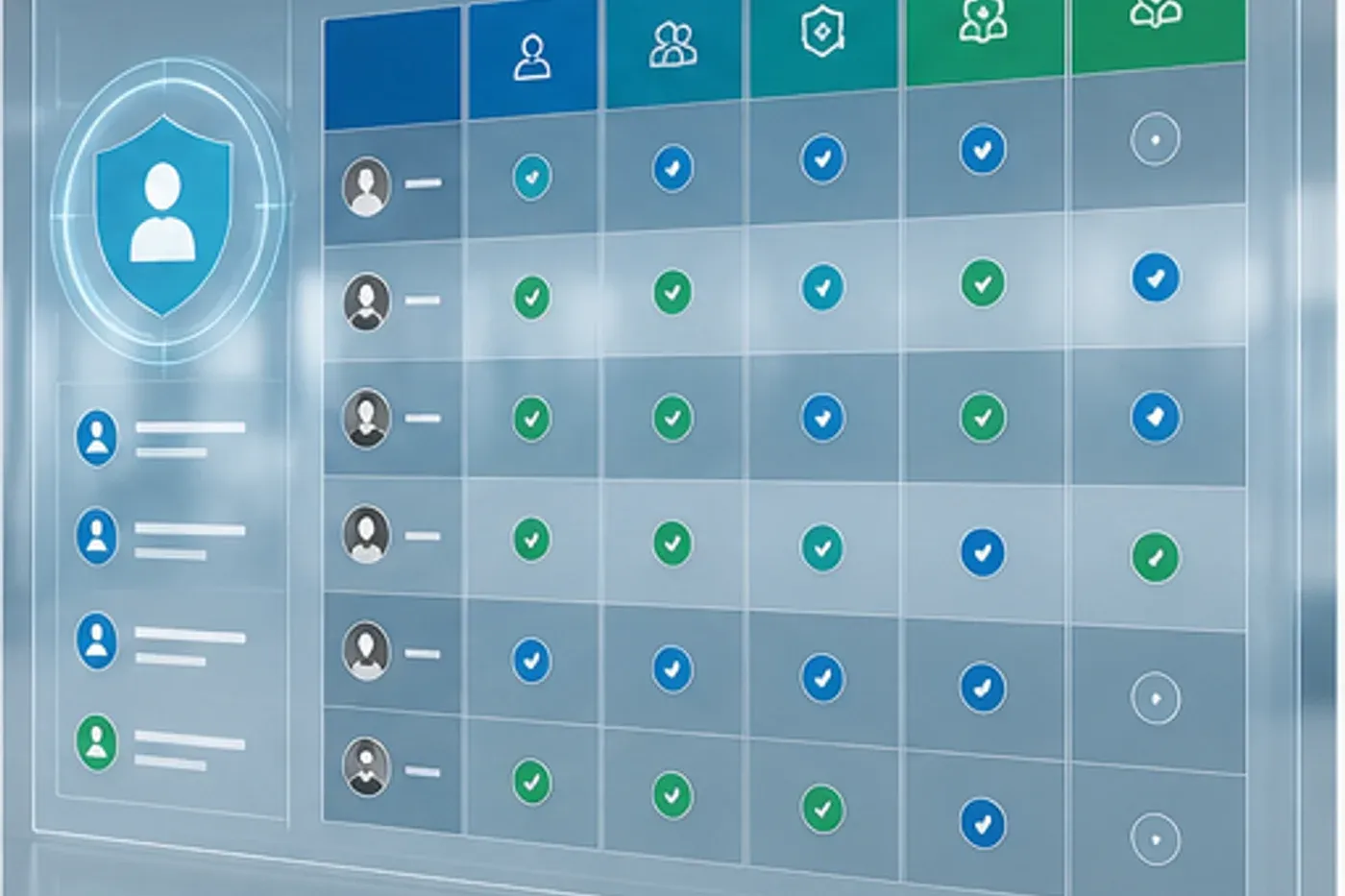
Bidders and suppliers enter events only after eligibility and policy checks.
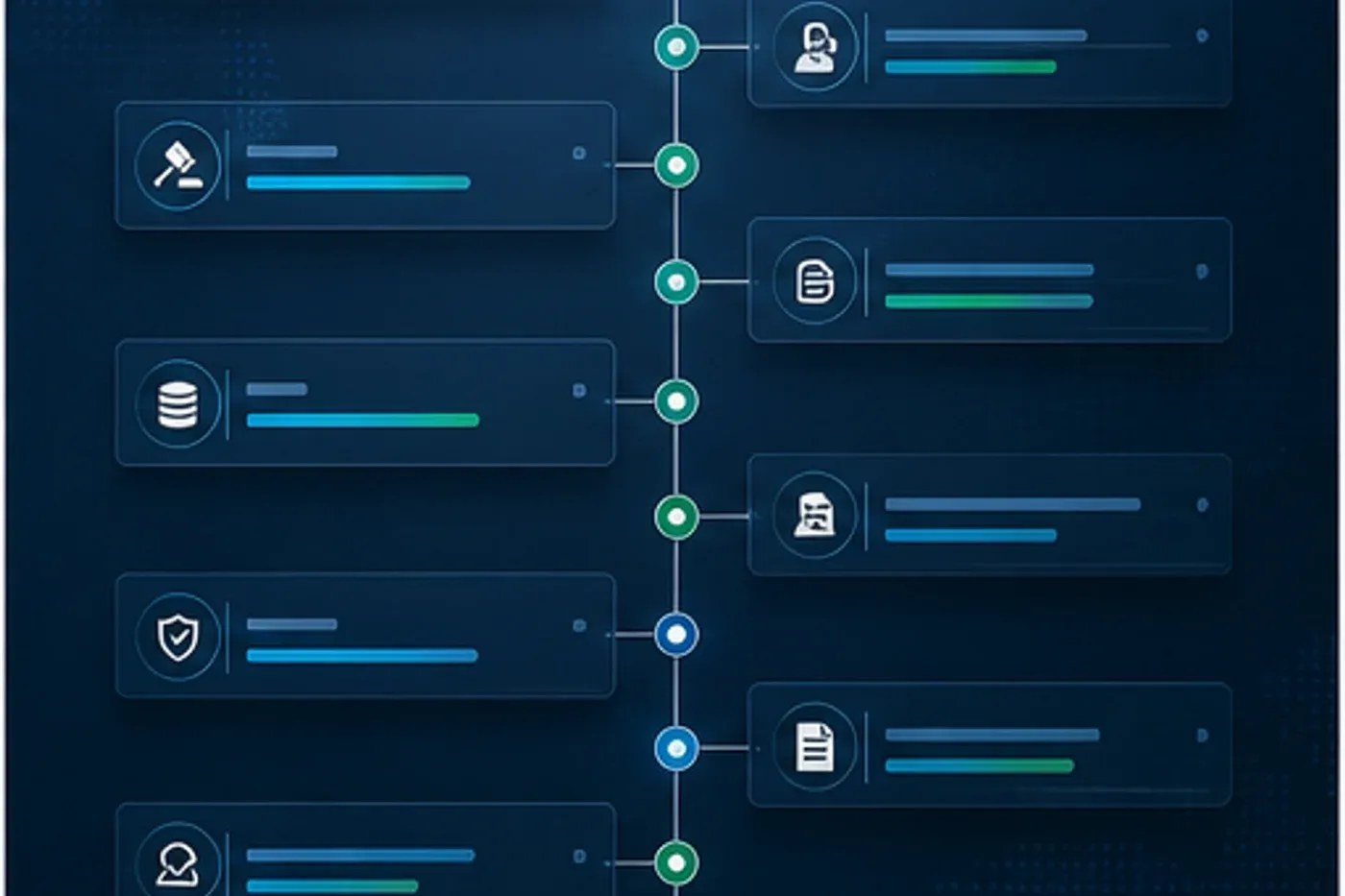
Security-sensitive decisions are captured with context for later examination.
Controls
These controls help business, technology and operations teams agree how the platform should behave before scale.
Give every role the minimum access needed for its responsibility.
Classify and protect bid, identity, document and commercial information.
Limit configuration, export, override and approval powers.
Validate the setup before production auction programs go live.
Preserve security-relevant activity for internal or external review.
Prepare monitoring, escalation and incident handling around live events.
Roles
A strong enterprise rollout names responsibility clearly across business, technology and operational teams.
Evaluate identity, policy, data handling and monitoring requirements.
Risk reviewManage environments, access paths, integrations and operational ownership.
Technical controlConfigure and run events within approved permission boundaries.
Controlled actionAccess only approved events, records and bid actions.
Scoped accessConnected systems
Integration needs vary by customer, but the same planning discipline applies across enterprise auction programs.
Decision room
Use these answers to pressure-test the security operating model before configuration begins.
Ask a specific questionYes. Roles and scopes can control who can view, configure, approve, bid, export or administer auction records.
Documents can be attached to controlled events or lots and made visible only to eligible users under configured rules.
Yes. Security review, test paths, access models and operational controls should be part of enterprise implementation.
Material administrative actions, exceptions and decision changes can be preserved as part of the audit record.
Identity integration can be planned as part of the enterprise architecture and deployment scope.
Next step
Bring your auction model, stakeholder roles, system landscape and governance requirements. We will shape the right Bidvantic foundation around it.