
Estimate demand
Model concurrent users, event volume, lot depth and peak bidding windows.
Scalability
Bidvantic helps teams plan for growth across concurrent bidding activity, many lots, multiple business units, regional rollouts, reporting volume and operational support.

High-interest auction moments are considered in event design, infrastructure and support readiness.
Repeatable configuration patterns let teams add programs without redesigning every auction.
Regional and department teams can operate inside governed roles instead of one central bottleneck.
Larger bid histories, catalogs and participant records remain useful for analytics and oversight.
Enterprise context
A platform must handle more users and events, but it must also preserve governance, participant experience, reporting quality and support discipline as the program grows.
Best fit: marketplace launches, enterprise programs, public-sector bidding and multi-site asset recovery.Operating blueprint
Bidvantic expansion planning considers traffic, data volume, permissions, event templates, support paths, integrations and reporting needs.
Map your operating modelWorkflow
Each stage connects platform configuration with the people, evidence and handoffs needed for serious auction programs.
Model concurrent users, event volume, lot depth and peak bidding windows.
Create repeatable event patterns for teams, categories and markets.
Define monitoring, support, escalation and closeout ownership.
Connect systems gradually without creating fragile handoffs.
Use adoption, activity and outcome data to guide further scale.
Capabilities
The page is built around practical operating needs rather than generic feature language.
Launch more events with consistent controls and faster setup.
Delegate operational work by team, region, market or business unit.
Structure many lots, documents, participants and bid histories.
Align traffic, bidding behavior and deployment expectations before launch.
See adoption, outcomes, event mix, bidder depth and cycle time.
Plan issue routing, escalation, user assistance and event-day coverage.
Add system connections in phases as business value is proven.
Keep approval and audit expectations consistent as event count grows.
Experience
Enterprise pages use fresh imagery and distinct content while keeping the same rich page rhythm across the sitemap.
Teams monitor live activity and operational signals during busy windows.

New teams can inherit proven templates instead of starting from scratch.
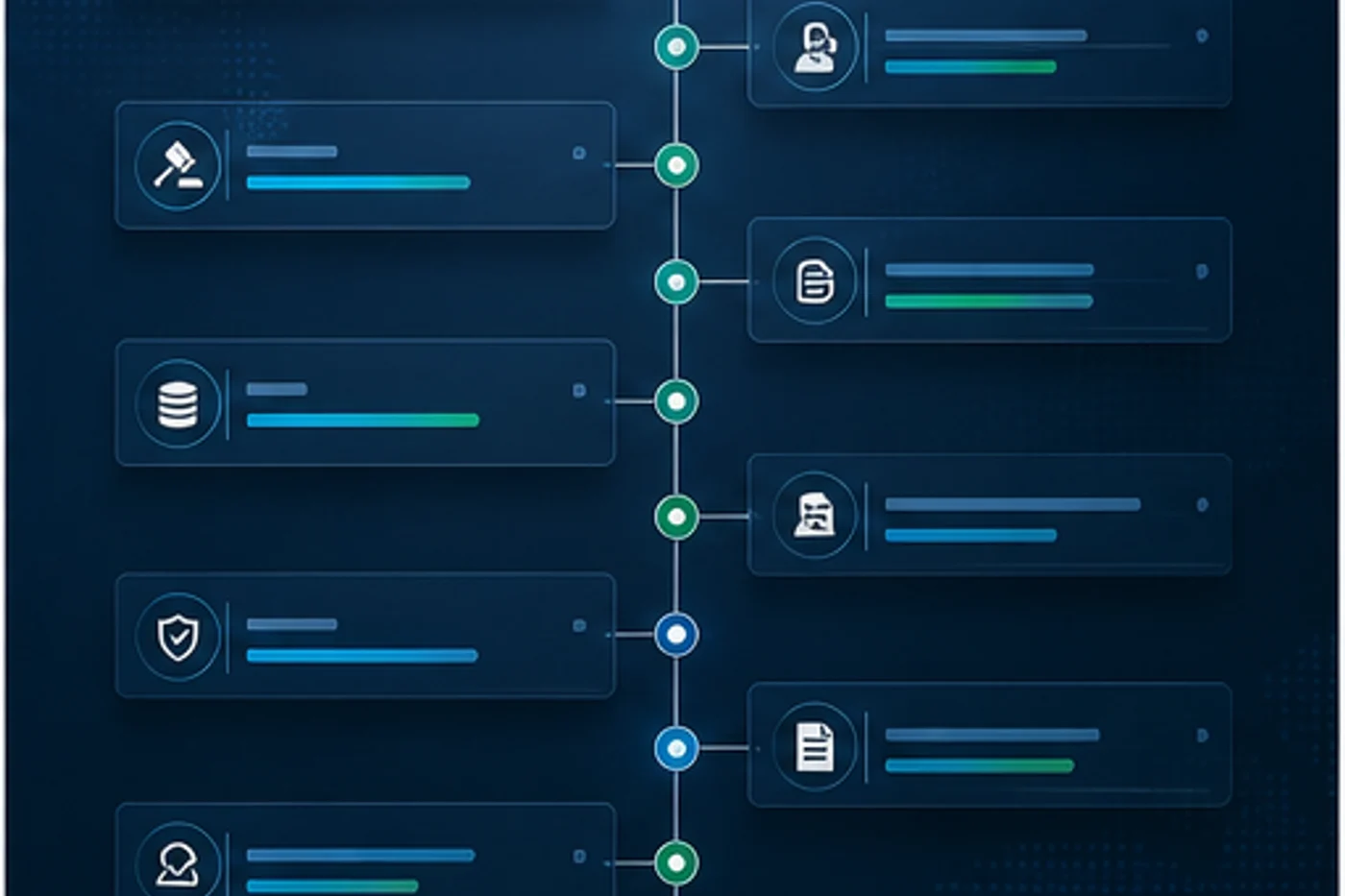
Leadership can compare performance across events, regions and models.
Controls
These controls help business, technology and operations teams agree how the platform should behave before scale.
Document user, event, lot and data volume expectations.
Control who can create or change reusable event templates.
Plan event-day support, escalation and issue ownership.
Track system, event and operational signals as usage grows.
Plan retention, reporting and export behavior for expanding history.
Review readiness before adding regions, teams or markets.
Roles
A strong enterprise rollout names responsibility clearly across business, technology and operational teams.
Sets expansion priorities and business value expectations.
Scale decisionManages templates, support paths and team adoption.
Operating modelReviews performance, integrations, environments and monitoring.
Technical scaleTracks adoption, outcomes and program quality.
InsightConnected systems
Integration needs vary by customer, but the same planning discipline applies across enterprise auction programs.
Decision room
Use these answers to pressure-test the scalability operating model before configuration begins.
Ask a specific questionIt includes concurrent usage, event volume, lot depth, data growth, reporting, integrations, support and governance across larger teams.
Yes. Bidvantic can support multiple auction models with shared governance foundations.
Estimate concurrent bidders, event timing, lot volume, notification load and support expectations during implementation.
Yes. Permissions and templates can support delegated operations with central governance.
Reporting can be structured to compare outcomes across models, teams, regions and time periods.
Next step
Bring your auction model, stakeholder roles, system landscape and governance requirements. We will shape the right Bidvantic foundation around it.